+91 11 4109 1715
24/7 Support Center


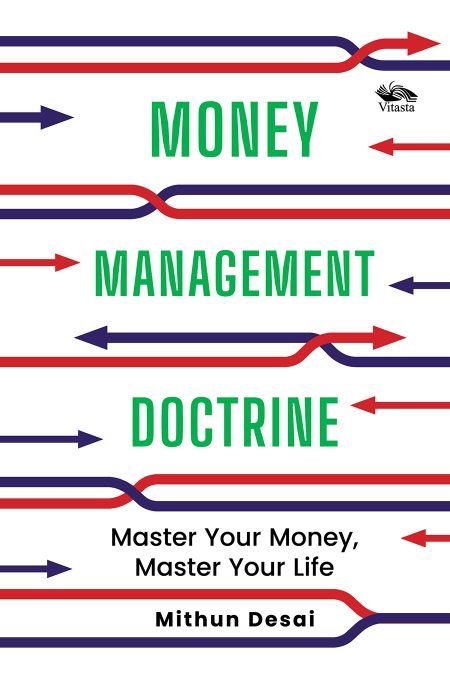
“You won’t need to look elsewhere for tips on saving, spending, growing your cash and forever building a life you love. Never again will you have to count your pennies or cut corners when it comes to money. Money Management Doctrine brings to you ancient wisdom about the art of making money and examines the mystery of building and sustaining wealth based on the timeless principles of money management with magic money mantras culled from Sufism, Japanese, Chinese, and Vedantic thought. By the time you finish this book, you will stop stressing about money. And begin living…”
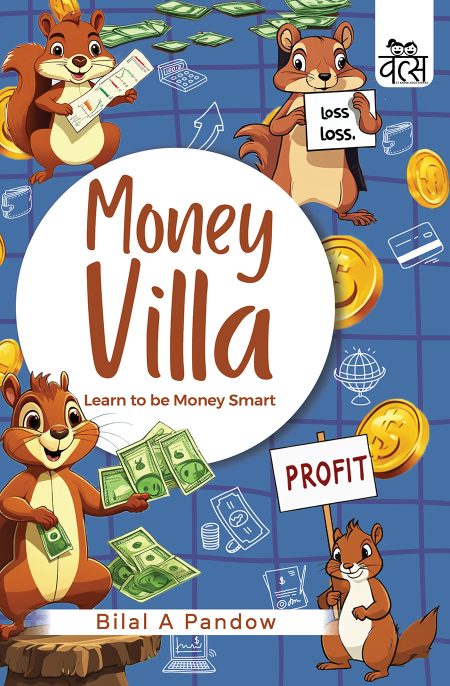
MoneyVilla: Learn to be Money Smart is a captivating journey into the world of financial literacy tailored for young minds. With the beguiling character of Sammy, readers embark on an adventure filled with valuable lessons on financial concepts such as saving, budgeting, loans, interest, and profit and loss, effortlessly mixing education with entertainment. Engaging activities at the end of each chapter encourage children to apply this newfound knowledge to their daily lives. The book’s vibrant illustrations and relatable storyline make complex financial concepts accessible and enjoyable, fostering a positive attitude towards money management from an early age especially for young, questioning, and precocious minds. As your children embark on this financial adventure, we invite parents and teachers to join them and enrich the journey. Here’s how you can make the most of this experience: Read Together: Take the time to read with your children, encouraging their curiosity and thoughts as you explore each chapter together. Discuss Concepts: Talk about the financial ideas in the book, using real-life examples to explain saving, budgeting, and wise financial choices. Encourage Activities: Encourage your child to complete the activities provided. These are designed to reinforce learning and promote critical thinking skills. Lead by Example: Be a positive role model when it comes to money management. Share your own money experiences and demonstrate good financial habits in everyday life. Make it Fun: Turn everyday moments into financial adventures, making learning about money a fun family activity. Your involvement will not only deepen their understanding but also make learning a delightful experience. Let’s make financial literacy an adventure filled with discovery and fun! Happy Reading! —Bilal A Pandow
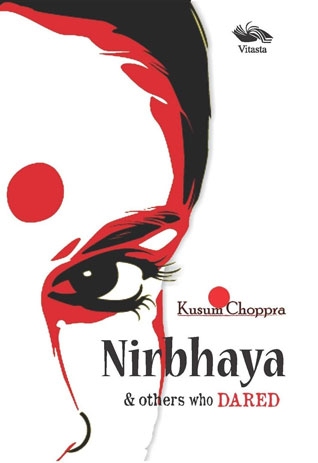
In this collection of delectable gris-noir short stories, the women make a statement. They are sexually liberated and fearless. They play with guns and knives and axes. They may be slightly broken but they aren’t uninteresting. An amorous khayal singer in old Delhi—the Begum of Ballimaran—is nonchalant about taking a vulnerable poet to bed. Sejal, a nubile dacoit is running away from her lover, Rana, through thick jungles because he seems inclined to give up thievery. A young convict is trained to become an assassin under the patronage of her senior—the bald, scarred Bai Sa, and a car crash survivor, invited to deliver an inspiring lecture at a college, feels like pushing another speaker off the dais because the latter’s sari is shocking pink. There’s also a desert village where moustaches rule the roost, and a dark, damp world where the struggle is between glory and fate. Meanwhile, in the hills, through the mist, you spot a failed actor trying to kick the bucket, an ambitious manager trying to use telepathy to knock off his bosses, and a bus parked precariously during a torrential downpour. Therefore, shadows become hoary tales, and a whisper is the learning of a lifetime
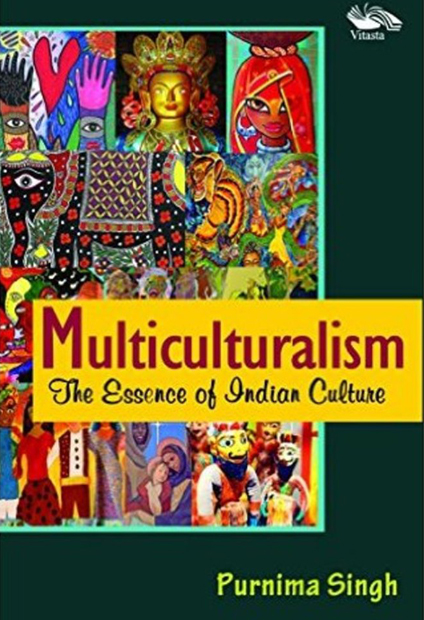
This book, Multiculturalism: The Essence of Indian Culture, is an attempt to showcase Indian diversity and to unveil its robust foundation which enables diversity to flourish here. In the present age, when the world is steadily moving towards the twin concepts of ‘global village’ and ‘global citizenship’, Indian multiculturalism is a shining example, where communitarian view of life is imbibed in every single person. Diversity is revered in India, as is evident from the omnipresent spirit of accommodation and tolerance. Our Constitutional Rights, Democratic Ethics and above all our Spirituality are the guardians of this prized diversity.
‘Vasudhaiv Kutumbakam’ and ‘Sarve Bhawantu Sukhinah, Sarve Santu Niramaya’ are the basic principles of Indian cultural heritage, forming the soul of this work. Last but not the least, this book is also a tribute to our great spiritual leaders who have left their footprints on the sand of time, inspiring us to emulate their spirit of self-sacrifice.
A secular world vs the Muslim world is the presumed order of the day and every individual inadvertently belongs to one camp or the other. Muslim Modernities is a collection of essays that embarks upon the difficult task of making our planet full of binaries a little less chaotic. From 9/11 attacks on the World Trade Centre, Iraq war, Danish Prophet cartoons, the arrest of Dr Haneef, to the Gujarat riots, Tabish Khair analyses all the issues objectively in the book.
While taking a look at some of the most controversial contemporary issues, Khair does not forget that a coin always has two sides, and that the entire blame cannot be transferred onto one side, be it the West or the Muslim world. He lays bare the threadwork that forms the basis of both and brings forth the hypocrisies that they subtly try to hide.
In a society where Muslims are seen as jihadis, he walks the tightrope between being considered a Muslim ‘sympathiser’ by liberal thinkers and Western critics, and a liberal violator by believing Muslims. He, however, stays clear of being typecasted and provides a viewpoint which is free of prejudices and based upon his understanding and experiences. Above all, these are extremely lucid essays by one of India’s most accomplished writers, essays that outline the personal journey of a human being struggling—and often succeeding—to make sense of our troubled world.
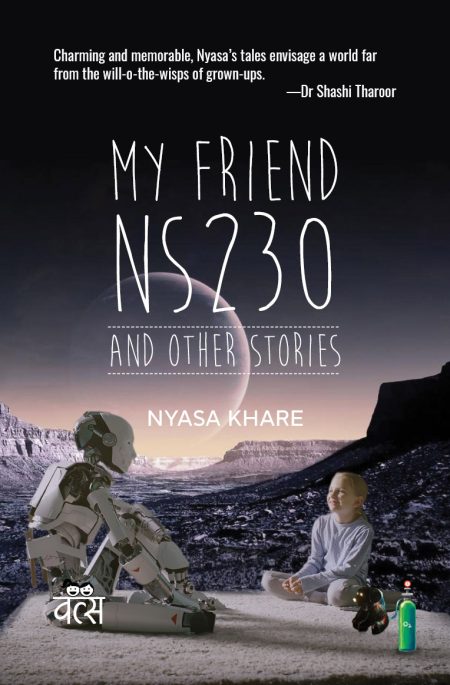
My Friend NS230 and Other Stories is a narration of short stories that brings together the best of fiction of an adolescent. The rising little author writes big ideas in small spaces. With her extremely optimistic vision of future, young Nyasa pushes even the greatest minds to pause and think. Funny, ironic, thoughtful and sharp, these stories of extreme terseness will have you thinking, laughing and ultimately hooked by these range of genres.

Humans are living longer and becoming more intelligent. A sharp rise in the rates of mental illness, e.g. depression, and incidences of suicide, indicate we don’t seem to be becoming happier, or any wiser, with time. Many young intelligent people, in their pursuit of knowing everything, lose the core objective of living the life itself. Alarmingly, many fall in love with artificial intelligence and live in a virtual world. Thanks to the internet and the social media, the actual face-to-face inter-human interaction is dwindling at a considerable rate.
This book is about life and particularly targeted towards young adults, who: • Suffer from unhappiness; are disposed to mental depression, or have suicidal tendencies; • Believe in atheism or scientism, and challenge the existence of God and religions; • Are addicted to, or are suffering from the ill-effects of over-reliance on the artificial intelligence, internet and social media; or • Are trying to seek answers to the age-old core questions, such as, “What is this world all about? Why I am here? What is the purpose of my life?”
This book is based on scientific studies and thoughts from various philosophers. It also presents the author’s views on the God concept, the validity of religions and the myth of love. It gives useful tips on how parents can harden up and desensitise young people against stress so they can face life’s challenges without buckling under; importance of socialisation and how to socialise; why one must be unselfish and live to a greater purpose of one’s choice for being happy; and the benefits of meditation and physical exercise for one’s mental health.”

About the Book
Set in post-Babri Masjid, post-Pokhran Uttar Pradesh, this is the story of a woman in search of esoteric truths, caught in a world of prejudice, stagnation and violence. Nasreen grew up in London and in Paris with her mother Saira, a rebel poet. Perhaps knowing the hardships and loneliness of a rebel life, Saira married off her daughter at the age of eighteen to Javed , a kind and loving man, the editor of a local newspaper, in a small UP town, Rahimganj.
Nasreen appears happy enough in her new life until Javed decides to send their daughter Mehjabeen away to a boarding school. In three voices and cinematographic style, the novel puts forward the philosophy that perhaps the destiny of the Soul is not the same as the destiny of the Body.
“Many of us are good at articulating our ideas and thoughts, but many are procrastinators. That several of India’s grandiose ideas and plans have not come to fruition is testimony to this”.
“We are India and India is us. It is not enough to live in India, India has to be alive within each of us”.
“Nations that live strictly by the rule of law always attain greater heights than those that allow even a few to live above the rule of law”.
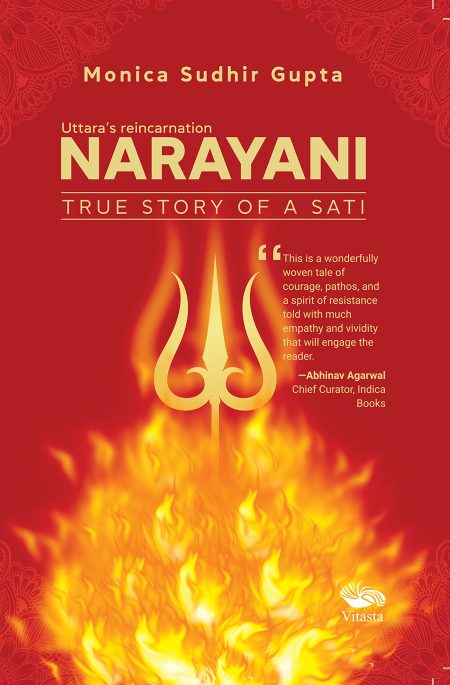
Narayani: True Story of a Sati takes readers on a captivating journey into the heart of modern-day Rajasthan and Haryana, where the narrative unfolds. . This tale, filled with poignant moments that resonate deeply, offers a captivating blend of history, mystery, and mythology. Through the character of Narayani, Monica Gupta introduces a heroine for our times, weaving an intriguing and inspiring journey that reminds us of the enduring power of legends. Her narrative leaves an indelible mark, reminding us that the past holds the keys to understanding our present and shaping our future.
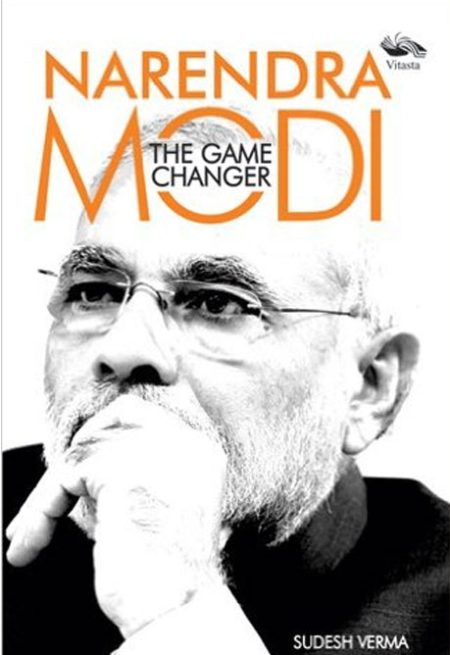
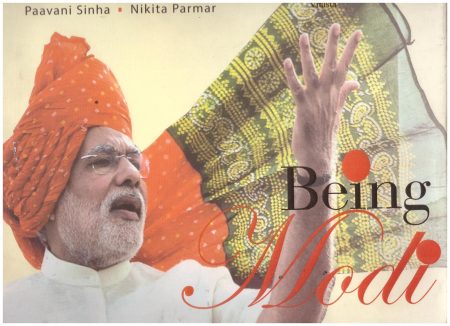
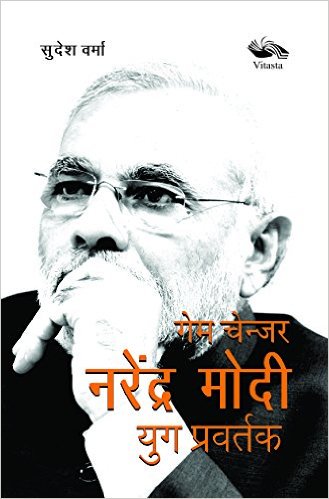
For the first time, Modi has been quoted in any book talking about the hitherto untouched aspects of his life. The book is based on extensive interviews of the Prime Minister, when he was the Chief Minister of Gujarat, and his close relatives about the influences that shaped his thoughts and actions. The 400-plus pages talk about the inspiring stories that made Modi what he is today—how he evolved as a man of development and empowered people with his decisions, and how he faced the poison-laced barbs of his critics who were ready to tear him to pieces for a crime he never committed. This book tries to separate the gold from the chaff. This may help to bust the cultivated myths being spread against him.
Modi’s journey from a tea seller to the Prime Minister has been one of struggle, dedication, determination, hard work and perseverance.
An average Indian finds his own reflection in the struggle of Modi.
A victim of child marriage, a usual practice in the backward Ghanchi caste, his desire to serve larger causes persuaded him to skip the final stage of the three-stage Gujarati marriage. When leaving home as a wanderer in search of truth, he took a formal leave of everyone.
Coming from a poor family, he tried to design solutions to poverty. As chief minister he empowered farmers by making agriculture lucrative. He made industries attractive by linking them with profitability, employment and development.
Muslims and Modi are drawing close to each other. The community voted overwhelmingly for the BJP in both Assembly and Lok Sabha elections.
The book presents Narendra Modi as a GameChanger who knows how to impress people with his work. Now that he is the Prime Minister he is expected to continue his game changing actions that will bring confidence to the nation seeking a new identity in the world order.
Covering events up to Narendra Modi’s Independence Day speech on 15 August 2014, Verma talks about the likely turn the country may take under his leadership.
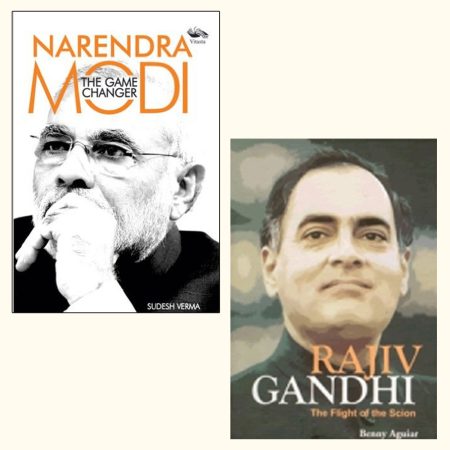
Book : NARENDRA MODI THE GAME CHANGER
ISBN : 9789382711186
Author : Sudesh Verma
Binding: PB
Book : RAJIV GANDHI – THE FLIGHT OF THE SCION
ISBN: 9789380828411
Author : Benny Aguiar
Binding: HB
Book : STATE OF THE NATION
Author : Subhash C Kashyap
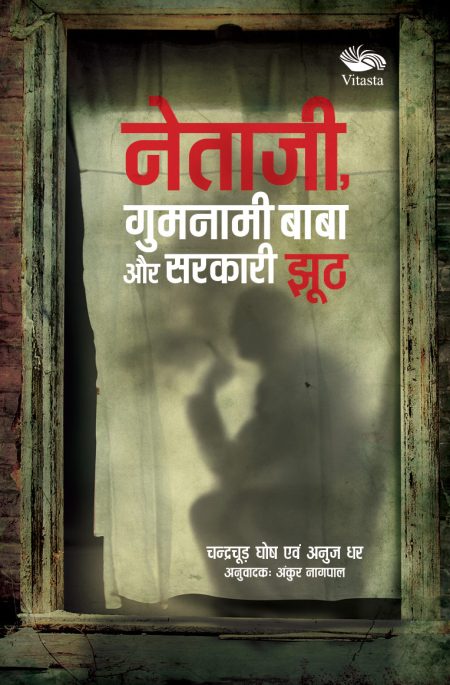
क्या उत्तर प्रदेश में दशकों तक अज्ञातवास करने वाले गुमनामी बाबा नेताजी सुभाष चन्द्र बोस थे? गहन शोध के पश्चात्, चन्द्रचूड़ घोष और अनुज धर इस निष्कर्ष पर पहुँचे हैं कि सत्य हमारी कल्पनाओं से कहीं अधिक विचित्र है। वे नेताजी ही थे। और यदि यह सत्य है, तो क्यों सरकार के आधिकारिक कथनों एवं जस्टिस विष्णु सहाय आयोग की रिपोर्ट का निष्कर्ष इससे भिन्न हैं? नेताजी कब और कैसे भारत लौटे? क्यों इतने वर्षों तक वे अपने ही देश में छिपकर रहे? क्यों सरकार इस सत्य को हम देशवासियों से छिपा रही है?—इन सभी प्रश्नों के समाधान आपको विचलित कर देंगे। जानिए: कैसे कई दशकों से इस देश की जनता की आँखों में धूल झोंकी जा रही है। कैसे फ़ॉरेन्सिक विज्ञान ने नाम पर बनाईं गईं DNA एवं हस्तलेख की झूठी रिपोर्टें और संसद में दिए गए झूठे वक्तव्य। …सरकार नहीं चाहती कि आप ये सब कुछ जानें।
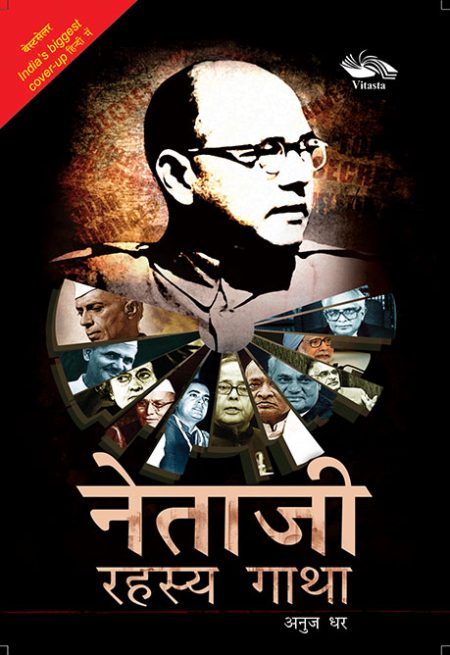
भारत का सबसे बड़ा रहस्य नेताजी रहस्य गाथा एक विस्तृत खोज है भारतीय राजनीती के सबसे लंबे समय तक चलने वाले विवाद की। दशको से भारतवासी जानना चाहते हैं की आखिर सुभाष चन्द्र बोस को क्या हुआ। क्या नेताजी एक विमान दुर्घटना में मारे गऐ थे, या रूस में उनका अंत हुआ। या फिर सन् 1985 तक वह, गुपचुप गुमनामी बाबा बनकर उत्तर प्रदेश रहे। लेखक अनुज धर ने इस जटिल गुत्थी को सुलझाने में एक दशक से ज़्यादा समय लगा दिया। नेताजी रहस्य गाथा उनकी अंग्रेजी पुस्तक India’s biggest coverup का हिंदी अनुवाद है। यह उन रहस्यमयी कड़ियों को जोड़ती है जो अब तक अनसुलझी रही थी। यह पुस्तक नेताजी की कथित मृत्यु को लेकर अपनाए गए भारत सरकार के षड्यंत्रकारी रवैये की पोल खोलती है। पुस्तक में देशविदेश से तमाम दुर्लभ जानकारियाँ प्राप्त की गयी हैं, जिसमें कई गोपनीय दस्तावेज़ भी शामिल हैं। नेताजी से जुड़े रहस्य को जानने और नेहरू से मोदी युग तक के राजनैतिक पहलू को समझने के लिए इस पुस्तक का कोई सानी नहीं है।