+91 11 4109 1715
24/7 Support Center


Raymond de Villiers is a wealthy English aristocrat with a young adoring wife. His first wife, the beautiful, captivating Charlotte, died in mysterious circumstances. Their old, historic country house, Lanverndel, on the Devon coast is suddenly destroyed by fire. Lanverndel and Charlotte’s shadow haunt the de Villiers constantly as dramatic events in their lives take them through the French Riviera, the outbreak of the Second World War, the Battle of the Atlantic, and back to wartime England. But the real essence of the novel, narrated very personally, is the steadfast love that the young Mrs de Villiers has for her much older husband, even after she has heard from him his chilling confession; and her sensitive transformation from a young, callow girl to a strong, self-reliant woman, to save herself and the man she loves from the shadows of evil.
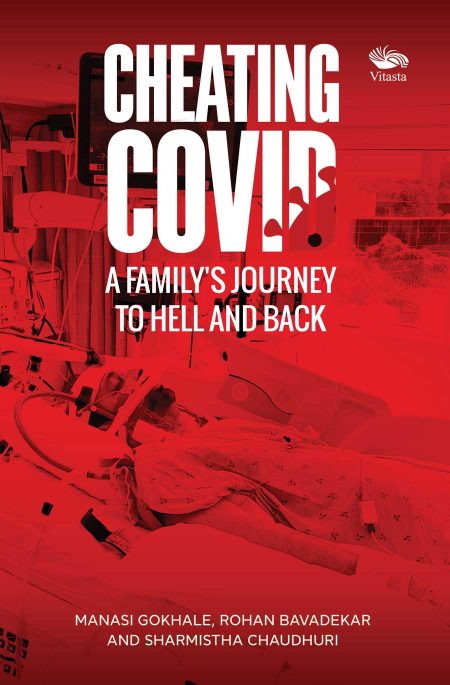
The minute the sneeze droplets hit the back of Rohan’s neck, he knew trouble was brewing. He tried not to alarm his family but couldn’t fool Manasi, his wife of 14 years. Manasi always trusted her gut, and her gut was telling her, ‘The worst is yet to come.’ It was the early days of the coronavirus pandemic. Mortality rates were high, terror had gripped the world as an unseen virus felled the population. Treatment was at best experimental, there was no vaccine in sight. As Rohan was kept alive by machines, Manasi, managing her own ill health and that of their three children also stricken with the virus, battled to save her husband from the confines of her quarantine. This is a tale of survival against all odds, all for love and family.

Bangalore Little Theatre programme, titled Work with Schools and Children, integrates three streams of work: New play development, Training new directors and Promoting new talent for the stage. This volume includes four plays for the programme – The Ungrateful Man, a tale from the Panchatantra; The Magic Drum, a collection of stories from the book by the same title by Sudha Murty; Ali Oh Baba, a retelling of the tale from the 1001 Arabian Nights; and The Court Jester, the tales of Tenali Rama.

About the Book
Your life was meant to be a joyous journey. But when negative emotions such as discouragement, stress, loneliness, or grief take over, it can be difficult to put one foot in front of the other. The first step you must take to move past the issues that drag you down is to realize that happiness is not something that just happens to some people and not to others.
Happiness is a decision you make. Renowned Christian psychiatrist Dr. Frank Minirth shows you how to make that decision. Drawing from a deep well of experience, clinical practice, and devotional life, Minirth will empower you with many kinds of practical coping strategies. His unique blend of medical, behavioral, and biblical principles will help you overcome your circumstances and achieve lasting happiness.
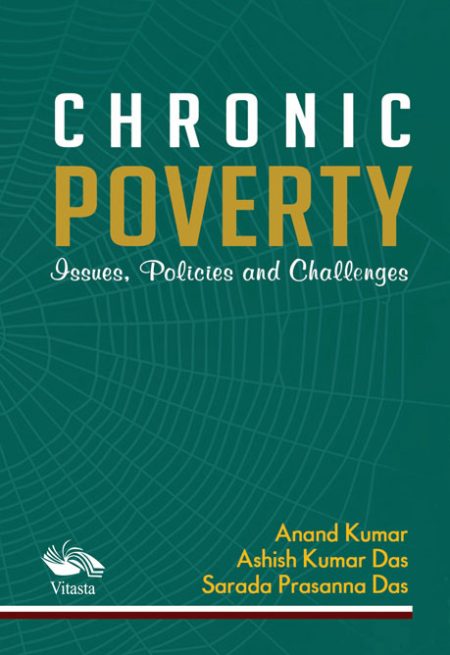
The book is a systematic study of poverty in India. It brings together contributions of several social scientists with the objective of promoting clearer understanding of poverty-related questions through inter-disciplinary dialogues. The book deals with issues of poverty and society in India and discusses the challenges of studying the multidimensional aspects of poverty. Each section of the book contains a specific thematic area in the study of poverty, looking at the theoretical, methodological and empirical aspects of the dynamics of poverty in India. Some of the papers in this book have tried to evaluate poverty eradication policies and programmes since independence. It has also papers on the people’s responses to their situations of poverty.
Most of the papers in the book have used microdata for critical analysis of programmes and policies in different regions of India. A large proportion of India’s poor are living in chronic poverty. This has resulted in protests, electoral defeats for ruling political parties and coalitions and the rise of extremism. If we analyse the protests/movements after the 1990s closely, we can see that these displayed some emerging characteristics. Firstly, these movements were against post-liberalisation industrialisations, which were based on privatisation of public resources and mostly profit-oriented. These were also based on capital-intensive technologies and maximum utilisation of the natural resources.
The post-liberalisation industrialisation policy ignored the land, forest and water issues, which were basic sources of livelihood for rural populations of the country. The movements also tried to link the issues of development with cultural questions. Thirdly, these movements also tried to provide an alternative discourse of people-friendly development and they also provided a space for the marginalised masses. These protests and movements also questioned the political economy approach of development and gave an alternative to link development with the socio-cultural aspects of the specific region. Finally, all these protests/movements are against industrial developments which are creating marginalised groups in peripheral areas.

About the Book
Cleaner Production Sustainable Trade and Industrial Ecology is an impressive handbook for industrial houses – big or small. An attempt has been made to guide them to make their operations ecologically sustainable, commercially viable and environment-friendly. Covering the global environment, trade, commerce, business, energy demands and manufacturing, the book discusses and suggests ways to effective and ecologically sustainable management of environmental issues in the light of both emerging and existing technologies.
Students of commerce, economics, business management, sociology, agriculture, geology, metallurgy, biology, geography, ecology, biotechnology and environment may also find the book immensely useful. The book tries to educate the common man who seems to have forgotten the principle of ‘reduce, recycle and reuse’ about energy, environment and business related problems of industries. It is a vehicle of informed opinion about the issues facing policymakers throughout the world. It tells them how the governments have been dealing with various environmental challenges.

About the Book
Is it not quite surprising that there is no atlas of leprosy published from India, probably not a viable one exists in the whole world? India has the highest number of leprosy patients, leprosy comes in the differential diagnosis of a host of skin disorders.
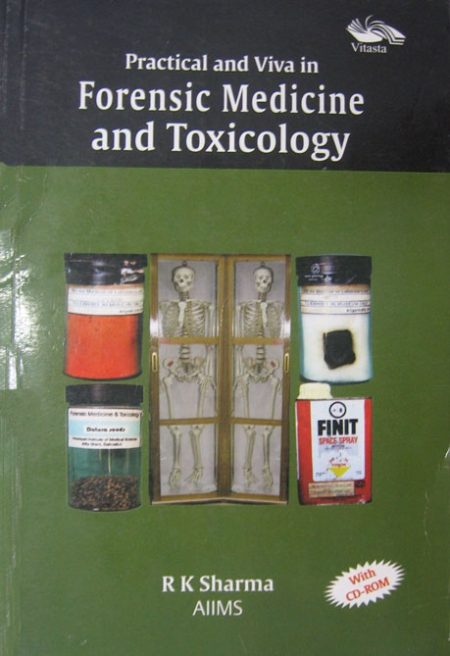
Clinical Leprology is a fascinating subject. It is startling that a single bacillus produces so many clinical variations! Colour Atlas of Leprosy contains photographs of all possible clinical presentations of leprosy, neurological complications, unusual presentations and important differential diagnosis. To make it a comprehensive one, precise history, bacteriology, methods of diagnosis, classifications, complications and treatment of leprosy have been included.
About the Book
Prompted by the considerable impact and substantial potential of recent advances and emerging possibilities in gene technology, biomarkers and ‘omics’ technologies, nanobiotechnology, stem cells, and companion diagnostics on reliable diagnosis and effective therapy of various cancers, the authors have attempted to produce a fully-updated and comprehensive outline of the applications of exploitable nanoscience and nanotechnology in combating cancer.
The study also introduces the reader to nucleic acids (especially dynamic DNA), gene mutations, virus-like particles, immunology and vaccines, plant nutraceuticals and the sunshine superstar (the wonder vitamin D) in the context of prevention, diagnosis and treatment of cancers.
While taking the reader on an exciting journey through several disciplines such as Ayurveda, Allopathy, traditional and complementary medicine, chemotherapy and nanomedicine, some closely related issues of general health and diseases other than cancer are also touched upon briefly wherever relevant.
Key Features
The book gives a concise account of new approaches and strategies to target and treat cancer and the latest in translational research and exploratory medicine. It aims to narrow the gap between discovery and development by translating targets and pathways to clinical efficacy, and points to future trends in cancer therapy and drug development.
Besides its overall utility for the medical fraternity, this book would serve as a balanced text or supplementary reading material for students, researchers and teachers of modern medicine, Ayurveda, nanomedicine, healthcare biotechnology, immunology, pathology, pharmaceutics and molecular biology. It is supported by the most up-to-date literature citations.

In 2008, the Indian Navy’s INS Tabar made headlines when it entered the piracy-ridden waters of the Gulf of Aden and saved two merchant vessels from pirate attacks. More recently, in March 2024, the INS Kolkata mirrored this courageous feat, capturing thirty-five pirates from the mothership MV Ruen during a high-stakes operation in the same waters. At the helm of Tabar was Prodyut K Banerjee, whose leadership brought stability to a volatile region and highlighted the Indian Navy’s sense of responsibility. This is his story—and that of INS Tabar, one of the finest ships in the Indian Navy. It is a tale of shared joys and anxieties, the loneliness of command, and the unwavering moral compass of the Indian soldier. Through personal anecdotes and reflections, the author shows how the Indian Navy instils resilience and courage vital for navigating adversity at sea, while vividly capturing the essence of life aboard a naval vessel.

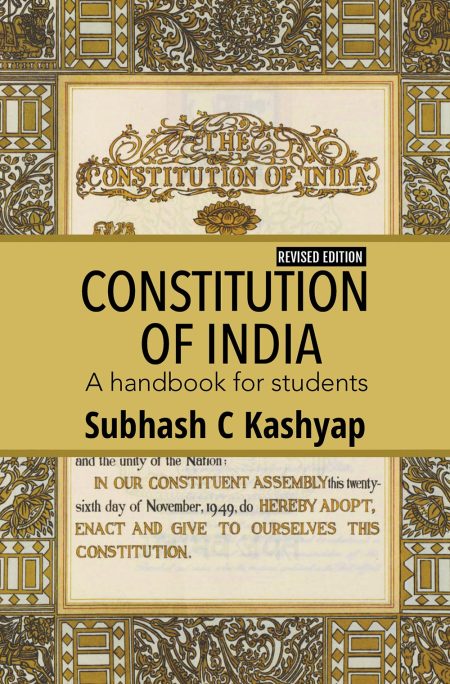
India’s Constitution makes it the first and the highest Fundamental Duty of “every citizen of India to abide by the Constitution and respect its ideals and institutions, the National Flag and the National Anthem”. To be able to do so, we need to know our Constitution—how we are governed and what are our democratic rights and responsibilities as citizens. A KYC (Know Your Constitution) mission can begin with the teachers and students in our schools and colleges. This handy book offers, in simple and easily understandable language, a brief introduction to the world’s largest Constitution and its working. It also dispels some of the popular myths and misunderstandings regarding our Constitution.

About the Book
This book is intended for students, programme, developers, hardware technicians, IT professionals and all those who are keen to know more about the IT world. The language used is simple and easily understandable. Examples and programs provided in each chapter would help the reader to understand the object-oriented programming language. The primary advantage of object-oriented programming is that it enables the programme to create modules which need to be changed when a new type of object is added.This makes object-oriented programs easier to modify.
The book covers the fundamentals of programming in the Java language and its suitability for World Wide Web (www). It discusses a wide range of topics including Control Flow, Iterative and I/O Statements, Arrays, Function, String Handling, Class and Objects, Inheritance, Polymorphism, Exception and File Handling, Threading, Networking, Swing Programming, Data Connection, Applets and Servlets. J2EE is an important topic covered in the book. It delivers innovative business solutions to market faster than ever before.The growing importance of Internet in world economy makes the book all the more relevant.
Key Features:
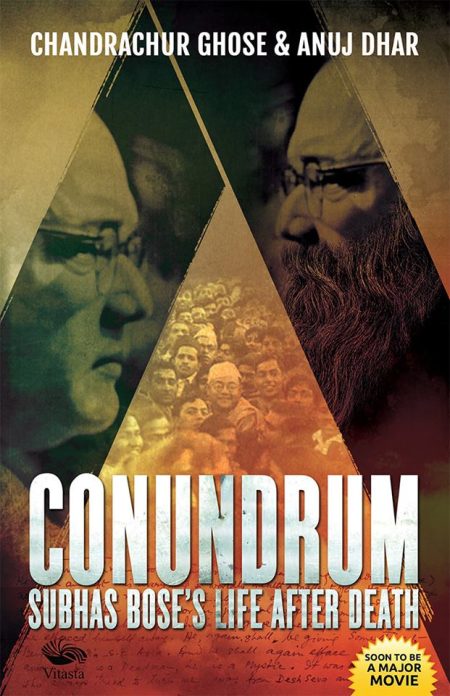
India’s biggest political mystery resolved. Sitting in a dilapidated house in a remote part of India, a 74-year-old man started narrating in his deep baritone the layout of Jessore cantonment in East Pakistan to his handful of followers. They got the import only a few weeks later when Jessore fell to the advancing Indian Army. This was in December 1971, and Subhas Chandra Bose was officially dead for 25 years. Ever since Netaji was pronounced dead following a plane crash in August 1945, Indians across the world have wondered whether the claim was true. The Government, however, decided to accept the story based on circumstantial evidence. For the first time, it is now conclusively shown that Netaji lived on. Having spent over 15 years in procuring and scouring through thousands of records from across the world, interacting with eyewitnesses and consulting experts, the authors come to a history-bending conclusion that a mostly unseen, unnamed man who lived in various parts of UP from the 1950s to 1985 was indeed Subhas Chandra Bose. From a “living” Netaji’s throwbacks about his contemporaries, his views on Constitutional issues and India’s foreign policy, to his forays into the world of paranormal and top-secret covert missions across the borders to first-ever sensational disclosure why he could not emerge in public — no other book is as bold and vast in its scope and implications. National award-winning director Srijit Mukherji’s upcoming movie “Gumnaami” is based on Conundrum.
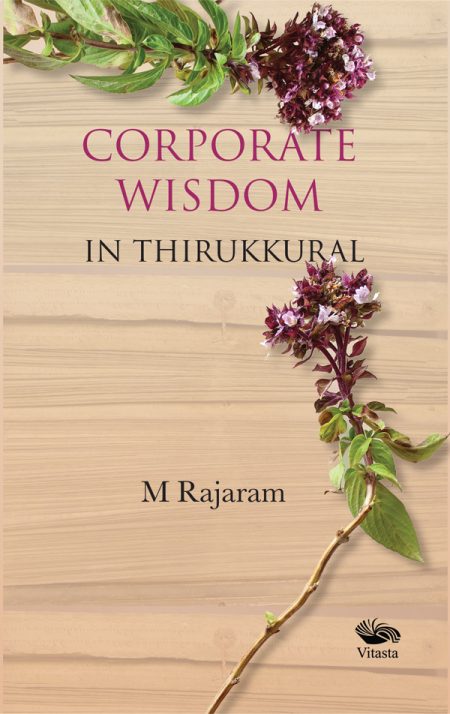
Corporate Wisdom in Thirukkural is a book on management applicable to corporate leaders and present day political leaders too. Thiruvallur’s thoughts on management are appealing to the head and heart. What Harvard professors teach today on management has been elaborately discussed in Thirukkuralwhich is a treasurehouse of vast wisdom. Thiruvalluvar lived in Tamil Nadu 2000 years ago. He speaks about the duties and responsibilities of the King and his palace officials. He speaks about various leadership qualities and human factors of public administration required for a welfare state such as effective delegation, organisational relations, domestic relations, social relations, public relations, communication skills, human resource management, project management, time management, financial management, decision-making skills and some case studies applicable in day to day administration and all walks of life.
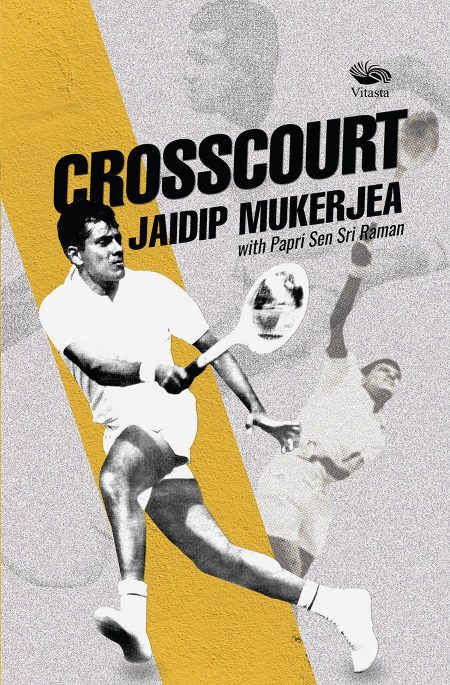
‘Looking back, I now think it is appropriate to share my life experiences with the new generation and sports lovers. I feel the young generation of our country should know more about the hard work that Indian tennis players of yesteryear such as Ramanathan Krishnan, Premjit Lall and Jaidip Mukerjea – the original Three Musketeers of Indian tennis – put in which took India to the Davis Cup finals for the first time in 1966.’ Jaidip has written the story of tennis in India; the transition from wooden to titanium racquets; Kolkata’s club culture and the promotion of tennis, football, cricket, polo, horse racing and sports sponsorship by the House of Tatas. The International Tennis Federation felicitated Jaidip Mukerjea with the ITF Lifetime Achievement Award in 2003; the first Indian to be thus honoured.
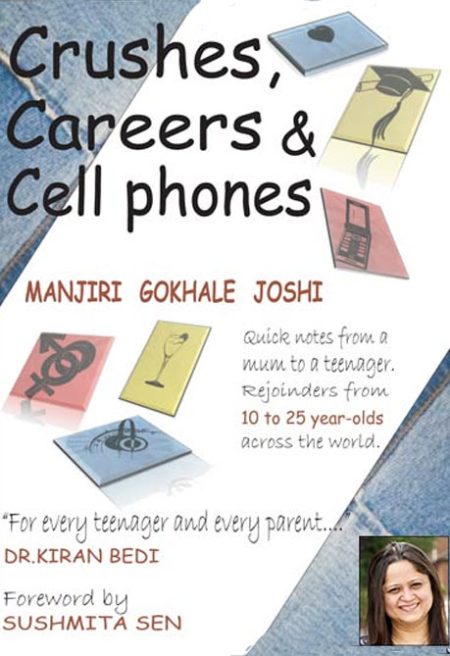
And for the parents of teenagers is the uncertainty–Are you “giving space” or being careless, imparting values or being dictatorial, encouraging ambition or building burdensome expectation? There is so much to talk about–A for alcohol, appearance, ambition, B for babies, braces, boyfriends, D for dads, dreams and drugs, E for embarrassment, G for growing up, gender divide, girlfriends, J for Jealousy, P for pimples, M for mums, men, R for running away, S for suicide, T for teachers, V for Valentine’s…
The book captures the nuances of parent–teenager communication in a series of snappy conversations. A perfect gift for anyone growing up… and for anyone standing by to watch!