+91 11 4109 1715
24/7 Support Center

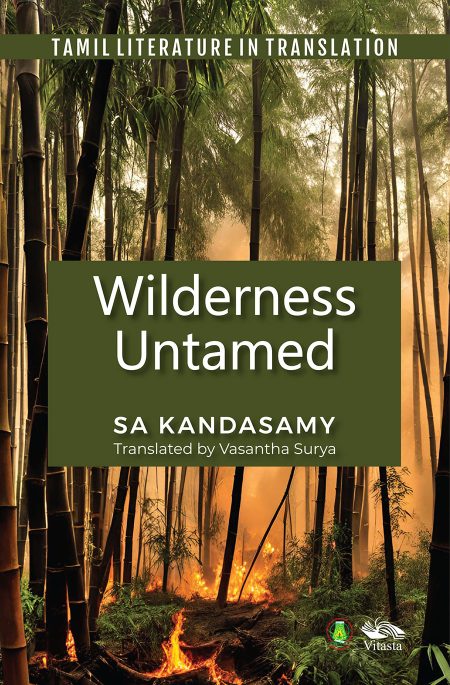
‘Like a lion in the first flush of its golden-maned youth, the forest of giant golden-stemmed bamboos stalked towards them. Why not burn it down? Green shoots and all?’ Thrumming with cicadas and honeybees, bristling with bamboo and tamarind, and redolent of heady illuppai blossoms, here comes a saga of the life-and-death struggle of a lush South Indian jungle. The agent of change is a man who has nothing to lose. Uprooted from the human jungle of caste, clan, and kinship, Singapore-returned Chidambaram hacks, and finally burns his way into the untamed wilderness to make way for sugarcane plantations and a sugar factory. Tamil literature has from the earliest times been infused with an awareness of the natural world. Saaya Vanam, along with this English avataar, vividly reminds us that Tamil itself–like any human speech–is an outgrowth of nature. Says the translator, Vasantha Surya: ‘It has been my endeavour to show how languages are inseparably intertwined, and derive their nourishment from a shared ground of human experience and imagination.’
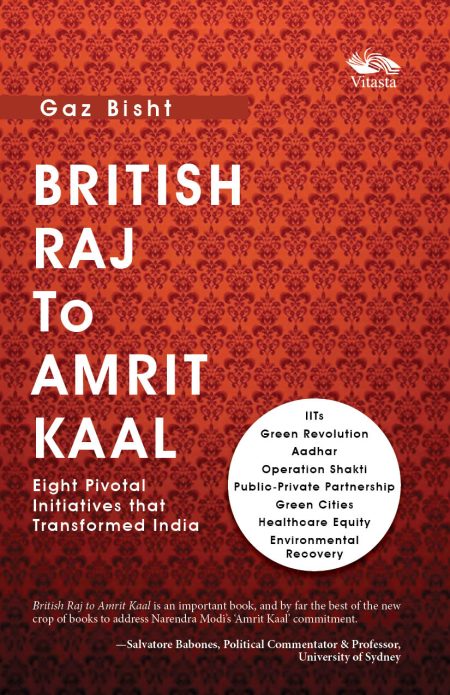
Through a meticulously researched and nuanced exploration of India’s 75-year journey after Independence, British Raj to Amrit Kaal reveals a profound insight—that the quantum leap in the nation’s progress has not been driven through incremental policy and legislative acts, but primarily by the eight ‘pivotal initiatives’ that went far beyond policy in their scope and vision. From the creation of the IITs to the more recent initiatives like the Aadhar card and the Pradhan Mantri Jan Dhan Yojana, this book explores these initiatives to extract the key lessons for the Amrit Kaal period that lies directly ahead. At the core of this narrative are the Sherpas—those extraordinary visionaries who shattered traditional constraints of politics and bureaucracy. Confronting deeply entrenched systemic barriers, these heroes engineered remarkable breakthroughs bringing in transformative change through their unwavering determination and deep commitment to India’s growth. This book is India’s bold manifesto for the next twenty-five years. It outlines five visionary and comprehensive roadmaps for transforming India into Viksit Bharat, transcending not just economic metrics but serving also as a holistic model for sustainable and inclusive development for Bharat’s approaching Amrit Kaal.
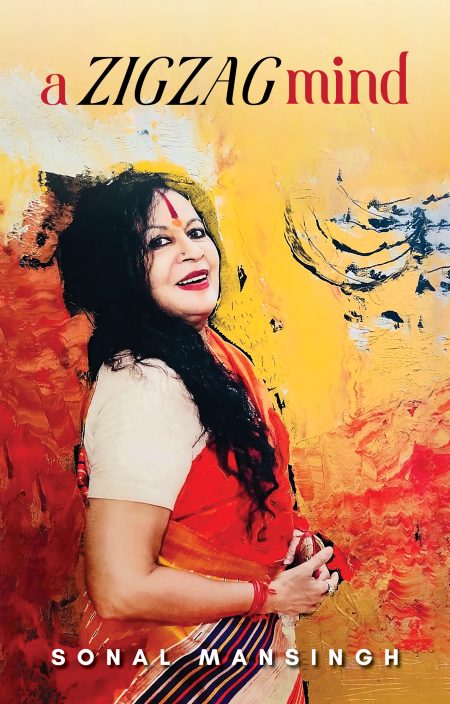
“When destiny attempted to silence her dance, she turned it into a symphony of resilience. Told she would never dance again after a spinal injury in an accident on the German autobahn, Sonal Mansingh defied all odds to emerge as one of the world’s greatest Bharatnatyam and Odissi dancer. With her boundless energy and unbreakable spirit, she transformed the dance stage into a canvas for courage, beauty, and social change. Through her unforgettable and captivating dance-dramas rooted in religion and mythology such as Devi Durga, Draupadi, Indradhanush, Mukti, and Manavata, she has redefined Indian classical traditions, weaving art with pressing contemporary concerns. Her art speaks a universal language that transcends boundaries, explained through expressive hand gestures, eye and neck movements in a graceful, flowing dance. A ZigZag Mind captures Sonal Mansingh’s thoughts on ecology, sacred Gods, symbols and rivers, and on dance, movement, and expression—the hallmarks of Mansingh’s unusual life.”
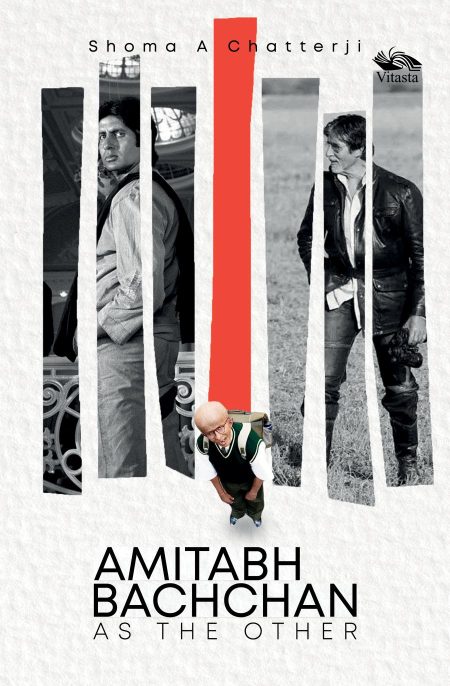
‘Amitabh Bachchan As The Other’ by Shoma A Chatterji is not a biographical study of the actor. Beyond the persistent ‘angry young man’ label, Chatterji contends that Bachchan’s cinematic prowess defies stereotypes, aligning him more closely with the intriguing concept of ‘The Other.’ This ‘Other’ challenges norms, demands our attention, holds us responsible for our actions, and prompts a reconsideration of our understanding of the world. To substantiate this thesis, Chatterji meticulously examines fifteen of Bachchan’s classic performances spanning two decades, from Anand to Agneepath. The other films in this study include Parwana, Zanjeer, Saudagar, Namak Haram, Abhimaan, Deewaar, Sholay, Amar Akbar Anthony, Don, Muqaddar Ka Sikandar, Shakti, Coolie, and Main Azaad Hoon. In the chapter titled ‘Othering the Other,’ we witness a mellow Bachchan embracing roles he never thought possible in his youth.
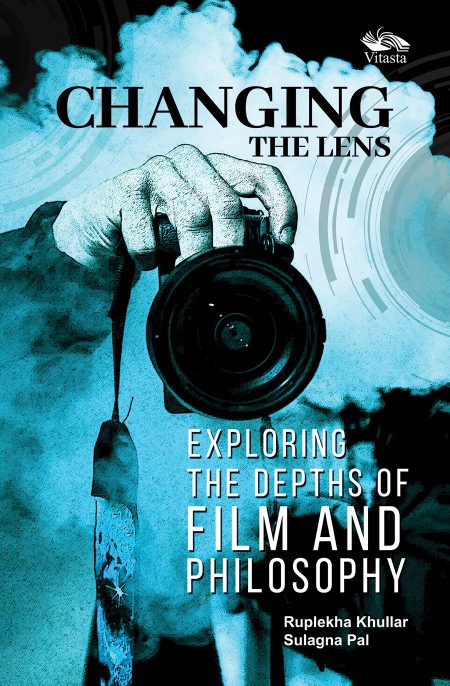
Presenting a panoptic collection of essays transcribed from presentations made by numerous acclaimed filmmakers, cinema critics, and academics. This book aims to equip interested students with the tools and skills necessary to explore cinema as a serious subject of study as well as a flourishing art form. Cinema is an entertainment but it can mean so much more to those with the desire to learn. An art form that emerged from a history abounded with change, the essays explore the past and present of filmmaking with an inkling of what is to come. On that account, this book is recommended as an essential reading for students of film studies and film appreciation across schools, colleges, and universities, as well as for the public at large.
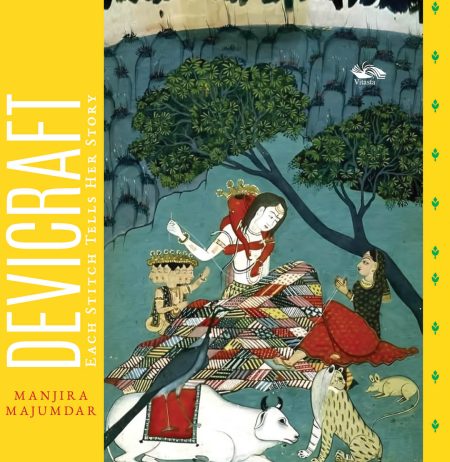
DEVICRAFT is not about Durga worship only. It is about the culmination of a year long rehearsal for the biggest performative and installation art in a week-long carnival. It is about a slice of socio-economic life in Bengal, where seasons mark the almanac, with agriculture, food and livelihoods coming together in joyous bursts of celebration. We tell the story through visuals and text that traces the history of mother goddess worship down the ages. It is a time when people become both participants and spectators while deities become human. We celebrate women artisans particularly in a bid to preserve our cultural heritages and make it empowering in the days ahead..
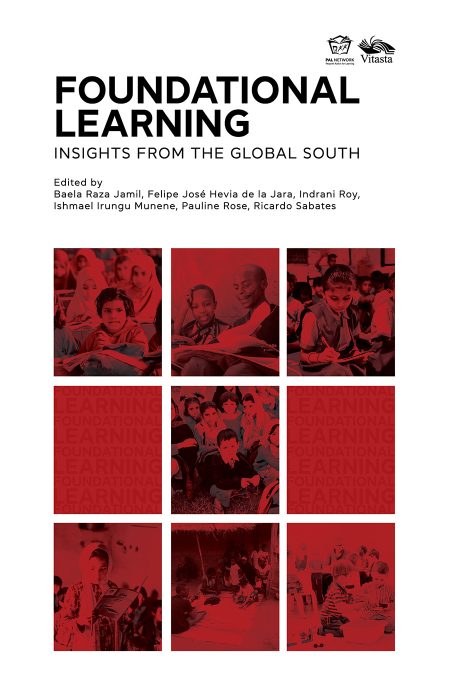
The world faces a global education crisis, with over 617 million children and adolescents lacking basic reading and math skills. Many children attend school for years but don’t acquire foundational literacy and numeracy skills, a problem recognised by the PAL Network, an organisation working to promote children’s foundational learning. COVID-19 lockdowns worsened this learning crisis. This book gathers practical insights to ensure all children, especially in the Global South, gain vital literacy and math skills. Academic experts, educators, and activists from around the world seek answers to crucial questions: How can we boost learning post-pandemic? What innovative strategies supported learning during school closures? How can native language and culture play a part in foundational learning? How can current systems be expanded and what is the role of partnerships in education? This book delves into the challenges and opportunities in education, offering a clear path to a brighter future for children worldwide. It takes an honest look at education in the Global South, providing guidance for educators, policymakers, and advocates determined to overcome obstacles and seize opportunities.
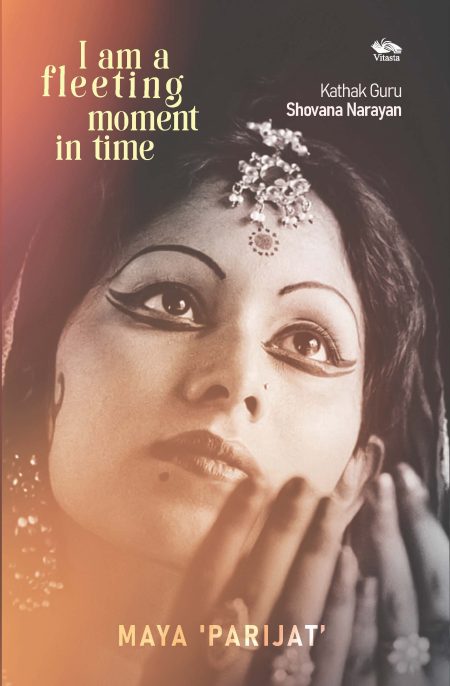
What do you get when a senior bureaucrat moonlights as a Kathak virtuoso? In Shovana’s case—raised eyebrows, dropped jaws, and the occasional—‘Files and footwork?’, ‘Do you sign files mid-spin?’ ‘Meetings in a lehenga?’, ‘Do your staff clap in tala when you walk in?’ Her answer: discipline, ruthless time management, and zero overlap… though the idea of a meeting with rhythmic tatkaar was tempting. But this isn’t just a story of multitasking—it’s about making ‘Why not both?’ a life motto. Shovana didn’t just juggle two demanding careers—she rewrote the rulebook. Passionate about dance, fascinated by physics and maths, she chose both and excelled. She married Austrian ambassador Dr Herbert Traxl on her own terms, balancing two cultures, two careers, and a long-distance marriage with equal grace. In the 1970s, she even broke taboo by giving mukhagni to her father—an act of fierce love and quiet rebellion. This book is more than her story. It’s a challenge to every ‘either-or’ in life, a celebration of passion and profession coexisting. The book asks the only question worth asking: Why choose, when you can have it all? It enters the tatva of classical traditions, where art whispers life’s philosophy and endures beyond fleeting glory.
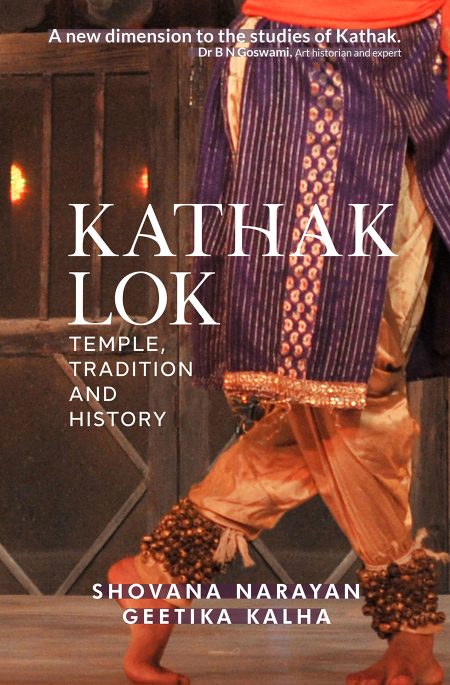
This book is the result of 7,000 kilometres of travel through North India and five years of untiring field work, investigation and research. The mission was to understand the existence of Kathak villages and what Kathak and ‘Kathak Lok’ represented. Going from village to village, seeing Kathak-s dance in temples, meeting Maharajas, dancers, scholars and swamis, the authors peeled layer upon layer of history. Bit by bit facts revealed themselves, slowly lifting the curtain to a clear and accurate picture. The authors unearth little-known facts of pre-Christian era roots of Kathak and its role in propagating and preserving dharma, over the centuries, which continues as a living tradition today. This book will shatter many popular perceptions—such as the Mughal origins of Kathak or the belief that Kathak is the dance of the courtesans.
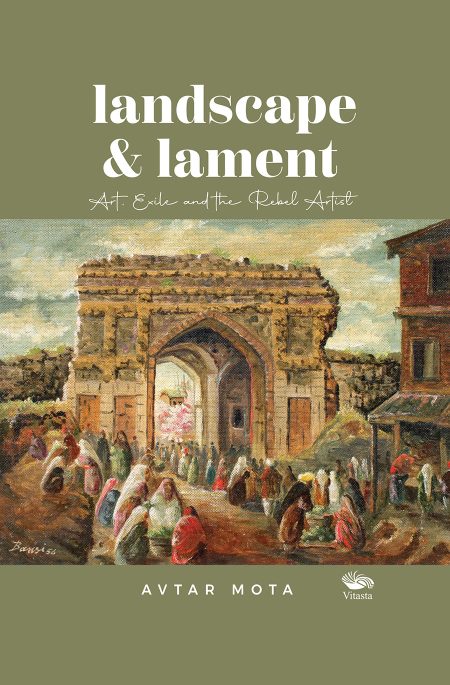
Bansi Parimu painted Kashmir in all its colours. Parimu (1933-1991) had a distinctive and individualistic style of ‘Abstract Landscapes’ which earned him a special place in the world of contemporary Indian art. More organic than geometrical, the modern abstractionism of his work was marked by his strong association with the valley, which remained the inspiration of his creativity right up to his death.
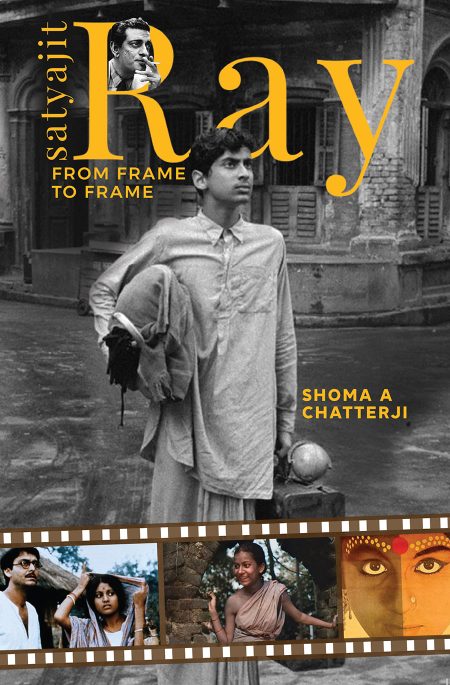
He made films that will last forever. Named as one of the ten best filmmakers across the world by the Time magazine, Satyajit Ray continues to be an enigma. He changed cinema with his universal themes that hold true in all cultures at all times. His legendary characters transcended the synthetic boundaries of celluloid and the framed confines of the screen to step into our hearts and remain there forever. Chatterji’s book is an ode to Ray’s cinema. Shoma forces us to minutely examine the meaning embedded in the smaller scenes, the most silent relationships, and the characters that stay away from any stereotypical, monolithic description. She also describes his love for music through his haunting compositions in film after film and the new world he created for children through Feluda’s adventure-filled journeys. This book demands a closer exploration of his work and drives the reader into watching the films discussed yet again—this time with eyes peeled for the nuances that Shoma has caught and laid out for the benefit of the reader.