+91 11 4109 1715
24/7 Support Center

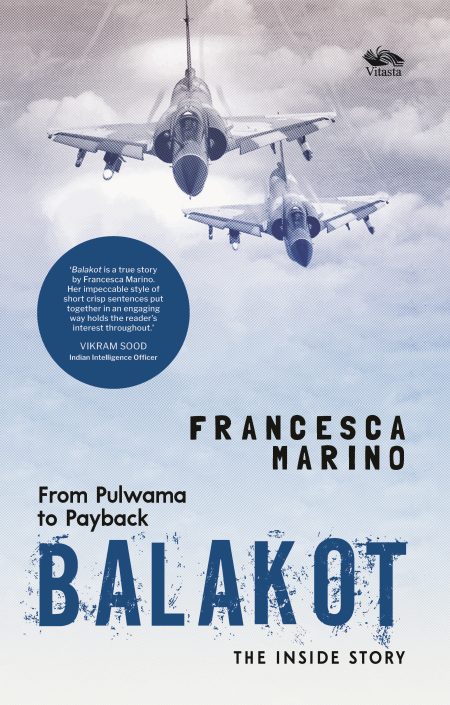
On the night of 26 February 2019, the Indian Air Force struck Jaish-e-Mohammed’s training camp in Balakot, Pakistan—a decisive response to the Pulwama terror attack just a few days earlier. Pakistan denied the strike, the target, even the camp’s existence. But the truth couldn’t be buried. In this book, the author brings a startling eyewitness account of the Balakot strike—reports that shook the official narrative, with striking new details. Featuring an exclusive interview with the then Air Chief Marshal Birender Singh Dhanoa, deep-dive satellite analysis, and unreleased intelligence, this book shatters the web of denial and deception that Pakistan had spun so skilfully for the international press. Balakot exposes the dark world of Jaish-e-Mohammed—its origins, mafiastyle funding, and deep ties with Pakistan’s shadowy power centres, including the ISI and the so-called Deep State. From cross-border infiltrations into Jammu & Kashmir to the terror group’s links with the Taliban’s new regime in Afghanistan, Balakot is a gripping account of a deadly network of terrorist links that puts Kashmir at the centre of an ever-brewing storm
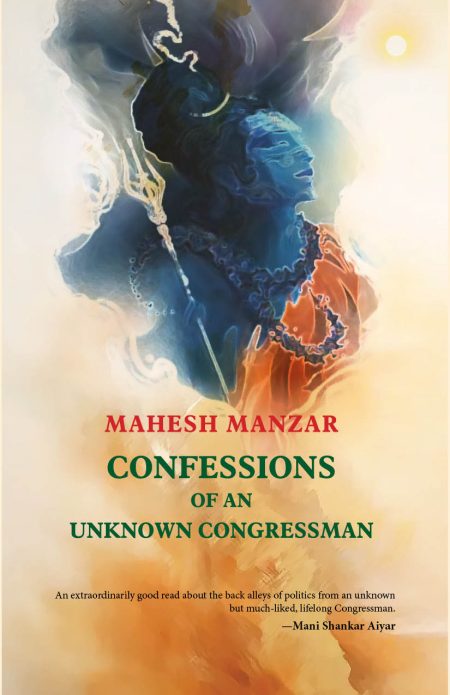
Mahesh Manzar did not quite make it as a politician, but did make a name for himself as a poet and as a Congress Party organiser. Interestingly, a chance encounter with Sanjay Gandhi in the early 1970s, when he was a student at Delhi University, led him to join the Congress Party. Blessed with the gift of the gab and the ability to churn out some witty and thoughtful couplets, he quickly moved up the ranks of Congress activists till he was walking in and out of the party’s offices and in the Prime Minister’s house as a resourceful, talented party worker and a key campaigner of several big-ticket Congress wins such as of Rajesh Khanna and Sheila Dikshit. Rajiv Gandhi made him a member of the Campaign Committee in his first election. Later, Mani Shankar Aiyar sought his help in preparing speeches for Sonia Gandhi with poetic phrases in Hindustani that the masses would love. In his autobiography, Confessions of an Unknown Congressman, Manzar chronicles his life from his childhood in Old Delhi to his seventieth birth anniversary in Delhi’s elite Defence Colony, spinning a riotous tale of both his personal and official brushes—with princesses, intellectuals, top Congress Party bosses, Prime Ministers and Presidents. He virtually spills the beans on several political shenanigans and brings alive the many human stories and foibles behind the big names of Indian politics from the 1970s to the present times.
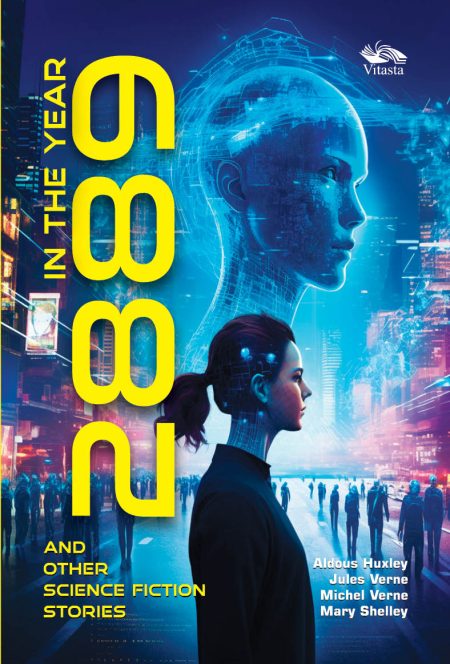
Step into a remarkable collection of sci-fi, where twelve master storytellers take you on unforgettable journeys through humour, horror, and wonder. From Jerome K Jerome’s signature wit to Mary Shelley’s gothic brilliance, from Edgar Allan Poe’s unnerving mysteries to H G Wells’ scientific marvels, each tale showcases the diverse genius of these pioneering writers. There is lots more as you journey through Ambrose Bierce’s twisted realities and Hawthorne’s dark moral fables and bask in the collaborative genius of Jules and Michel Verne, the philosophical provocations of Huxley, and the cosmic horror of William Hope Hodgson. You will also discover how E P Mitchell and H F Arnold helped shape the sci-fi genre as we know it today. This curated anthology bridges the gap between horror, science fiction, and supernatural literature, and demonstrates how these visionary authors laid the groundwork for modern, speculative fiction. Each story’s futuristic theme resonate powerfully with contemporary readers, whipping up technological anxiety and moral questioning, from fascinating and strange, otherworldly encounters.
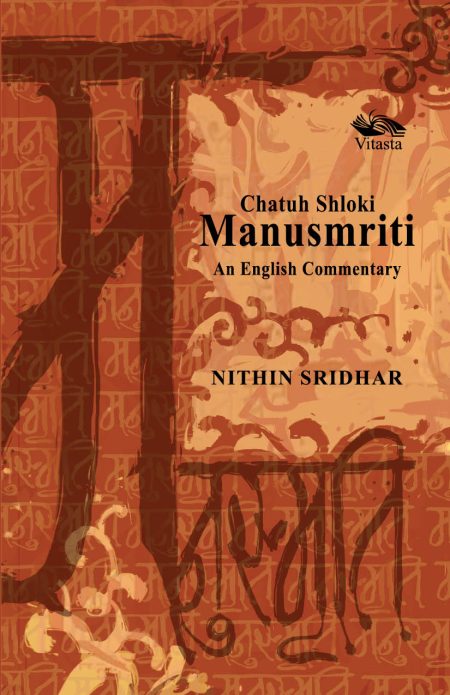
Manusmriti occupies a prominent place in Indian textual tradition as one of the authentic sources of dharma. However, contemporary engagement with the text has been wrought with prejudice and discomfort left in the wake of colonialism. The present work aims to address the gap in contemporary approach and facilitate a better understanding through a philosophical analysis of the first four verses of Manusmriti, shedding light on the object, purpose and relevance of dharma texts. Rather than reducing Manusmriti to a mere relic of the past through a historical study, the book locates the text within the larger Hindu epistemological, ontological, and theological worldview and extracts the eternal teachings embedded within it. The book addresses common misconceptions on topics such as the definition of dharma, the integrity and importance of Manusmriti, the notion of ritual competency, and the Hindu conception of varna. The book draws from the entire Hindu textual tradition spanning the Vedas, Upanishads, Smritis, Itihasa-Puranas, and the Gita. It references the works of renowned acharyas including Adi Shankaracharya, Ramanujacharya, Madhvacharya, Vallabhacharya, Sayanacharya, Kumarila Bhatta, and Sri Aurobindo.
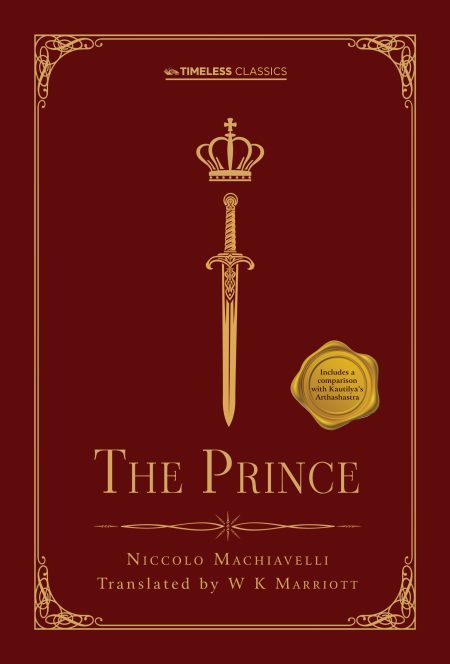
A timeless manual on power, politics, and ambition, The Prince remains one of the most influential works in political theory. Written in the early 16th century by Florentine diplomat and philosopher Niccolo Machiavelli, this concise and provocative treatise offers advice to rulers on how to acquire, maintain, and consolidate power—by any means necessary. With its clear-eyed analysis of human nature and statecraft, The Prince challenges idealism with stark realism, arguing that the ends often justify the means. Whether read as a handbook for rulers, a critique of authority, or a mirror reflecting the darker truths of governance, The Prince is an essential classic that has shaped modern political thought for over five centuries. This edition includes an exclusive new chapter comparing The Prince with the ancient Indian political treatise Arthashastra by Kautilya, offering readers a unique cross-cultural perspective on power and governance.
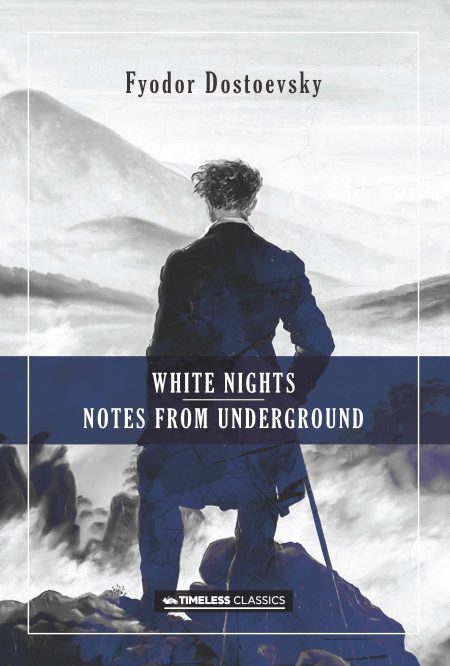
Born in Moscow in 1821, Russian writer and philosopher Fyodor Dostoevsky remains startlingly relevant today. What makes him timeless is his uncanny gift for capturing our deepest fears and longings. This volume brings together two of his most striking works—vastly different in tone, but unmistakably his. White Nights is a gentle fever dream of loneliness and love. Set in the hush of twilight-lit St. Petersburg, it follows a young dreamer who meets a woman as lost as he is. Over four nights, they share stories, hopes, and heartbreak—a fleeting intimacy lit by the glow of possibility and the ache of knowing it won’t last. Notes from Underground, on the other hand, is a jolt to the system—a searing monologue from a man who has turned his back on the world. Angry, funny, corrosively honest, the Underground Man strips away every illusion of progress or virtue, forcing us to confront the strange pleasure of being wounded, and the freedom that comes with refusing to be healed. Translated into English by Constance Garnett, these two classics showcase Dostoevsky’s unmatched emotional range: one tender and melancholic, the other jagged and unrelenting—both unforgettable

‘Like a lion in the first flush of its golden-maned youth, the forest of giant golden-stemmed bamboos stalked towards them. Why not burn it down? Green shoots and all?’ Thrumming with cicadas and honeybees, bristling with bamboo and tamarind, and redolent of heady illuppai blossoms, here comes a saga of the life-and-death struggle of a lush South Indian jungle. The agent of change is a man who has nothing to lose. Uprooted from the human jungle of caste, clan, and kinship, Singapore-returned Chidambaram hacks, and finally burns his way into the untamed wilderness to make way for sugarcane plantations and a sugar factory. Tamil literature has from the earliest times been infused with an awareness of the natural world. Saaya Vanam, along with this English avataar, vividly reminds us that Tamil itself–like any human speech–is an outgrowth of nature. Says the translator, Vasantha Surya: ‘It has been my endeavour to show how languages are inseparably intertwined, and derive their nourishment from a shared ground of human experience and imagination.’
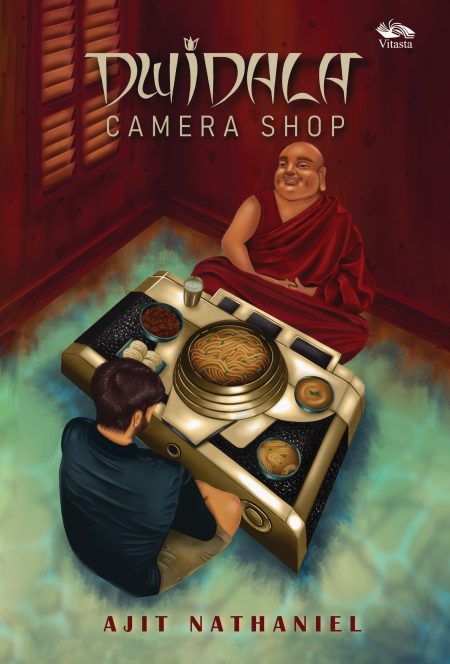
“In the picturesque mountain town of Baxterpur, a mysterious Buddhist monk runs an unusual camera shop. He accepts barter trades instead of cash, and treats customers to sumptuous Tibetan meals with a serving of insight and perspective. Dwidala Camera Shop is full of rare film cameras that seem to capture more than just light. When Harish Arya, a startup founder in self-imposed exile, stumbles into the camera shop, he finds himself drawn into a surreal web of ancient mysteries and modern dangers. He forms a strong bond with a Japanese billionaire and his samurai bodyguards, who introduce him to a rare mind-bending psychedelic lily that unveils his deepest fears. Together, they find themselves in a clash with a ruthless venture capitalist, who will go to any lengths to get his way. As corporate wars escalate to deadly violence and supernatural forces awaken in primordial forests, Harish discovers the narrow confines of his contrived reality, and confronts the perils of his ever-expanding perception and consciousness.”
Many believe one must renounce worldly life to pursue spirituality, but Swami Kritarthananda teaches us otherwise. He argues that anyone—whether a busy professional, student, or married couple—can lead a spiritual life by following the path of righteousness. With profound insights from Sri Ramakrishna and Swami Vivekananda, the author provides practical tools for integrating Vedanta into everyday life, offering readers a roadmap to peace, purpose, and a deeper connection with the divine. This is a guide for those ready to deepen their spiritual practice while embracing their responsibilities in the world.
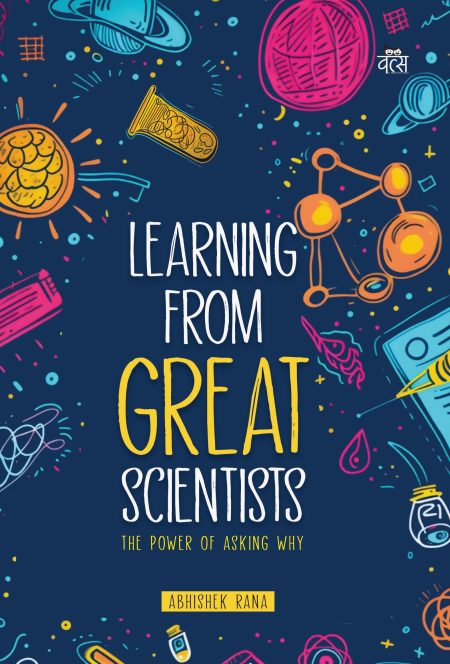
What do these brilliant minds—Archimedes. Marie Curie. Alan Turing. Jagdish Chandra Bose. Rachel Carson—have in common? They all started their quest with a question. Learning from Great Scientists—The Power of Asking Why invites young readers to walk in the footsteps of history’s most curious thinkers— not as unreachable geniuses, but as people who once asked, Why? or What if? This book brings science to life through the eyes of children who meet big questions the same way Archimedes did in his bathtub, or Bose did while watching a plant move. Each chapter blends science, storytelling, and real-life wonder to show how curiosity, perseverance, and imagination can lead to discoveries and inventions that change the world. Because behind every invention, every breakthrough, every ‘Eureka!’—there was a child who once dared to ask a simple question.
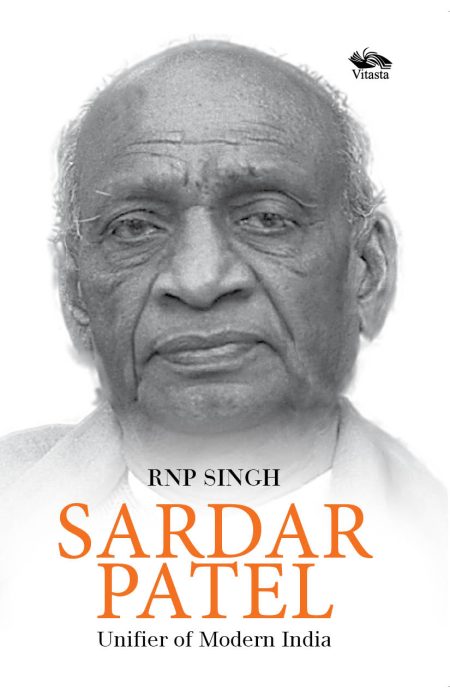
Vallabhbhai Patel (1875-1950) left his mark not only on the map of India but also on the minds of her people. He is said to have bequeathed the idea of an integrated India to the nation, and is often called the ‘Iron Man,’ with an uncanny foresight and a clear vision of where independent India’s future lay. He was no superman, he was a statesman gifted with the rare quality of astuteness and pertinacity in his approach to problems. He was more than Bismark in many ways. His decisive approach to the merger of the 565 princely States into the Union of India is a hair-raising story of grit, gumption and guts. It is the story of how a man, believed to be ‘the accurate bowman of Gandhi’s struggle…who knew no retreat’ wooed, cajoled and coerced Princes’ India into becoming a People’s India. Patel was convinced, ‘Small states cannot subsist as independent entities without endangering Indian unity’ and this book tells the bold and brazen story of how state by state, from Junagadh to Patna, Travancore to J&K,. that is, two-thirds of the land was shepherded under Mother India’s wings by one man’s steadfast commitment to the larger cause, ‘no further division’ of the subcontinent. India is today suffering the consequences of ignoring Patel’s advise on Kashmir and China. Though it covers just five years of Sardar Patel’s life and times, this is a work of historicity that every Indian must read to understand how India came to be the India that Google today shows us.
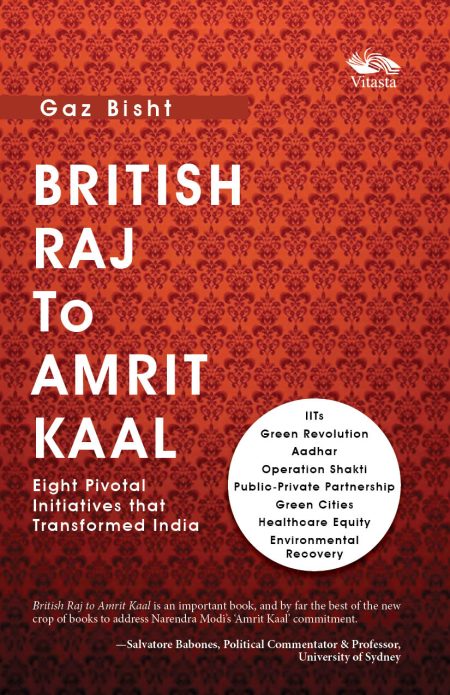
Through a meticulously researched and nuanced exploration of India’s 75-year journey after Independence, British Raj to Amrit Kaal reveals a profound insight—that the quantum leap in the nation’s progress has not been driven through incremental policy and legislative acts, but primarily by the eight ‘pivotal initiatives’ that went far beyond policy in their scope and vision. From the creation of the IITs to the more recent initiatives like the Aadhar card and the Pradhan Mantri Jan Dhan Yojana, this book explores these initiatives to extract the key lessons for the Amrit Kaal period that lies directly ahead. At the core of this narrative are the Sherpas—those extraordinary visionaries who shattered traditional constraints of politics and bureaucracy. Confronting deeply entrenched systemic barriers, these heroes engineered remarkable breakthroughs bringing in transformative change through their unwavering determination and deep commitment to India’s growth. This book is India’s bold manifesto for the next twenty-five years. It outlines five visionary and comprehensive roadmaps for transforming India into Viksit Bharat, transcending not just economic metrics but serving also as a holistic model for sustainable and inclusive development for Bharat’s approaching Amrit Kaal.

Meet William Brown: schoolboy, rebel, and accidental hero. He’s scruffy, stubborn, and entirely convinced the world would be a better place if adults just did what he said. Whether he’s forming secret societies, trying to right imagined wrongs, or staging grand adventures with his gang—the Outlaws—William’s escapades never go to plan… but they’re always unforgettable. First published in 1922, Just William introduced the world to Richmal Crompton’s hilariously defiant schoolboy. With his sharp tongue, muddled morals, and genius for getting into trouble, William has charmed generations of readers and remains a comic icon of British childhood. Perfect for fans of mischief, mayhem, and marvellously bad behaviour.
Indian Prime Minister Priya Kaul is in trouble—the country is in turmoil; the Opposition is closing in on her; her son, the heir apparent, has turned into an enemy within. She desperately seeks a way out. Following her spiritual guru’s advice, she carries out India’s first ever nuclear test to divert the masses and get some time to restore her popularity. With the American President hating her, the Delhi CIA chief is tasked to stop her in her tracks and depose her. Meanwhile, Viper, the Pakistan ISI agent, gets into action to wreak havoc in India. With all the odds stacked against Priya Kaul, only two men can get her what she wants. Atomic scientist Dr Venkat Iyer and his team of dedicated scientists must race against time to assemble the bomb. Legendary spymaster, Sudhir Raina (Rhino), must neutralise Pakistani disruptive intent and the CIA’s sinister designs. As the intelligence agents of the three countries battle it out, can Rhino and Iyer deliver what they had set out to do? With disguise and deception at every turn, can they help Priya Kaul get out of the rut? Step into this world of subterfuge, betrayal and violence at your own risk because at stake is a world event that could change India’s fortune once and for all.
प्रस्तुत पुस्तक ‘महाप्राण’ सूर्यकांत त्रिपाठी निराला की कुछ विशिष्ट रचनाओं का संकलन है। ‘निराला’ ऐसे कहानीकार, कवि और उपन्यासकार हैं जिनका जीवन और साहित्य दोनों आज भी प्रासंगिक है । इसी को ध्यान में रख कर प्रस्तुत संकलन तैयार किया गया है। इस संकलन में सम्मिलित रचनाओं की विशेषता यह है कि ये रचनाएँ न केवल छात्रों में हास्य-विनोद रस उत्पन्न करती हैं, वरन मातृभूमि के प्रति अगाध प्रेम तथा कर्तव्य बोध भी जगाती हैं। हमारी आशा है कि छात्र हमारे इस संकलन से अवश्य लाभान्वित होंगे ।
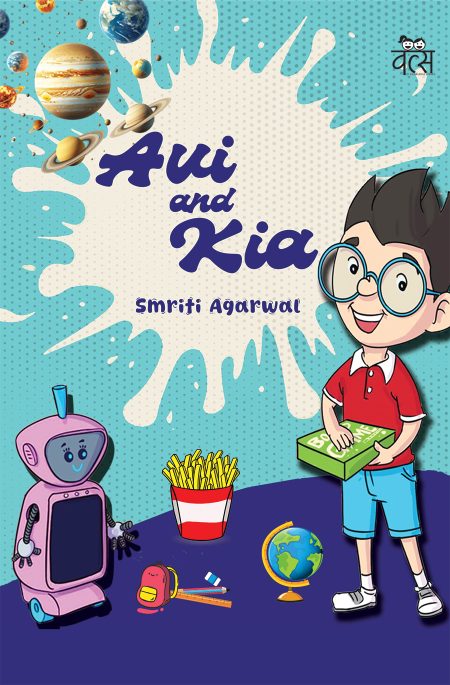
“Ever wondered what happens to trash once it leaves the bin? Or what’s inside a pencil? Or how your favourite crispy treat came to be? Join Avi, an inquisitive boy with a never-ending set of questions, as KIA, his witty, know-it-all robot friend reveals some of the fascinating stories behind the things we see and use every day. Together, they dive into exciting adventures that turn ordinary topics into extraordinary discoveries. When Avi asks about the National Anthem, KIA takes him back in time to learn about Rabindranath Tagore and the unifying magic of his words. They blast off to explore planets, stars, and the mysteries of the universe. KIA explains how trash transforms through recycling and shares tips for tackling pollution so that we can halt climate change and protect our planet. Packed with fun facts and exciting adventures, Avi and KIA is the perfect book for curious young minds eager to learn about the world around them—and beyond!