+91 11 4109 1715
24/7 Support Center


This book is a collection of Taslima Nasreen’s essays which revolt against the status of women in this man-made world. Taslima says that there is no place which belongs to women and hence they have to fight for every inch of ground to get their rightful place.
Her fans laud her acuity of observation, sharpness of presentation and boldness of articulation. They are running fan clubs and blogs in her name even when she is unaware of those. Her critics dislike anything that is Taslima. Some have even called her a misandrist. She denies, but asks, ‘Who is Guilty? Men or Patriarchy? You cannot say that men are good but patriarchy is bad.’ ‘Behind the powdered faces of the elite society lies the stark reality where the law is violated with impunity and where a woman is not regarded as a human being… She is a thing to be exploited, molested and raped’, she argues in one of her essays.
She lambasts those who call themselves secular and pander to the fundamentalists. She exhorts them to rise above narrow interests and to think of the larger goal of the progress of society. In this context, she strongly argues for a uniform civil code in India.
Taslima talks openly about her love life. She has lessons for those who think love to be a macho act. She defends homosexuals and challenges the way the patriarchal society looks at this aspect of non-sanctioned form of love.
On how fundamentalism from religion impacts women, she has this to say:
“To bring in religion within the fold of the state, society, the law and the family is to welcome violence against women, discrimination between man and woman, child marriage for girls, polygamy for men, the law of stoning women to death for supposedly committing adultery, beating women to death for not wearing the burqa, or being disobedient to the husband, the horror of triple talaq, and imprisonment, unemployment, illiteracy, ill health, slavery and suffering for women.”
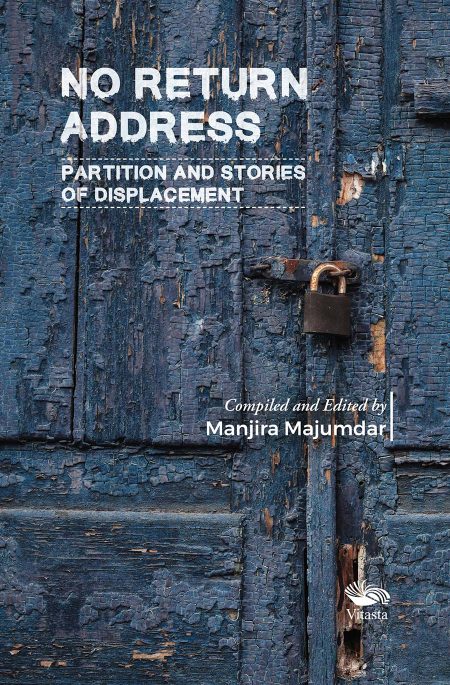
Bengal as a province was divided several times by its rulers for various reasons—to manage it better, divide its spoils among the conquerors, or to break the spirit of a rebellious and creatively inclined community. But what did this division mean to a Bengali? How did it impact their identity, culture, lives and future generations? How did they take the Partition and the consequent slicing off of their community? Sadly, these are the questions that haunt generations of Bengalis—their memories stowed away in trunks, pieces of documents, dying dialects, photographs or the deepest recesses of their mind. The displacement through Partition brought in alienation, sorrow, longing and a sense of loss in its tow. The resultant rootlessness bred strong emotions. No Return Address: Partition and Stories of Displacement is a collection of 10 short stories and one long fiction exploring the different aspects of one’s identity—placing it in relation to one’s family, community, country, social class as well as one’s own self.

YOU’LL BELIEVE THAT TRUTH IS STRANGER THAN FICTION. As the deep voice from behind the dark curtain echoed with familiarity, the former intelligence operative knew he was talking to the one presumed dead many years ago. The “Dead Man” piled up conspiracy upon counter-conspiracy of staggering proportions. With all its unthinkable subplots, character line-up of who’s who of Indian politics and innumerable state secrets, the nation’s biggest jigsaw puzzle began to piece together—all the way to a shattering climax.
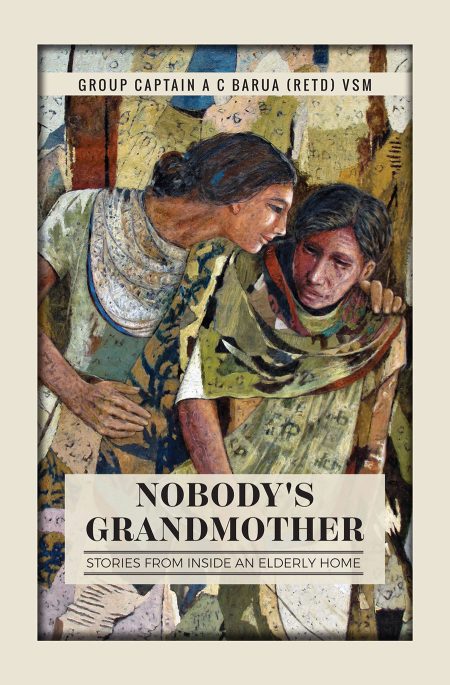
The face has been haunting me for years. Honestly, even today, after sixteen years, if I close my eyes, I can vividly see her face—hollowed eyes and sagging skin—mocking me. I failed to help her. She was completely famished and lost in her ramshackle bamboo shack, surrounded by waist-deep water. Apart from a few old soot-blackened utensils, a bed with a soiled patchwork quilt, a torn mosquito net, and a few dirty clothes hanging from hooks around the hut, it was absolutely empty. I had never imagined that anyone could be so poor and helpless. Something snapped inside me at that moment and eventually led me to start Seneh, a Home for Destitute Old Women. This was in 2011. Today, there are forty-five women who have found shelter and succour at Seneh. These are their stories. Often taken for granted, the elderly are left vulnerable to loneliness and cognitive decline. The cruelty of fate at times becomes unbearable for them. Group Captain Barua writes with empathy about their life stories, their socio-economic background, and their sorry predicament.

The gripping stories in this anthology – some true and some fictional – make for fascinating reading, more so for persons with disabilities and their loved ones. If society has not learnt to embrace persons who suffer from a condition that is no fault of theirs, this book should nudge anyone with a conscience in that direction. Reading about personal journeys, it is not difficult to empathise. Medical science has not progressed to a stage where the ailment can be completely rooted out but with medicines and proper care, it is possible to lead a normal life. That’s a point that every story here makes with clarity and simplicity – and so do the poems, with wit and brevity. The book explores every dimension of the psychological spectrum: disbelief, denial, secretiveness, alienation, bafflement at society’s callous rejections, depression, hope, guts, grit and finally, the happiness at finding a mental equilibrium and the satisfaction of helping others in similar plights. There is romance as well as sexual exploitation, marital discord as well as parents’ silent suffering and eventually the resilience of the human spirit.
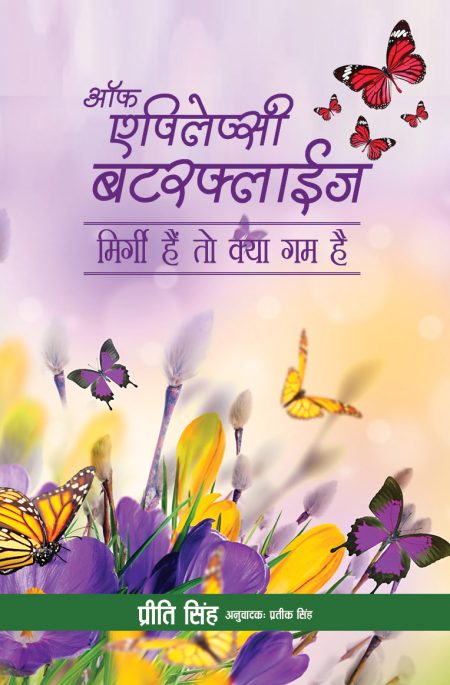
इस किताब के अंदर कुछ कहानियाँ सच्ची घटनाओं और अनुभवों पर आधारित हैं और कुछ काल्पनिक हैं लेकिन सभी को पाठकों के लिए कलम के ताने-बाने में इस तरह से पिरोया गया है कि इन्हें पढ़ने के दौरान ना सिर्फ उन्हें मिर्गी से सम्बंधित महत्वपूर्ण जानकरियाँ हासिल हो बल्कि उन्हें कहानियों का रस भी मिले। मुख्यतः ये कहानियाँ मिर्गीग्रस्त लोगों को ध्यान में रखकर लिखी गयी हैं पर उतनी ही उपयोगी ये उनके परिवारजनों और किसी भी अन्य संवेदनशील व्यक्ति के लिए भी हैं। ये किताब आपको ये सोचने पर बाध्य करेगी कि मिर्गी वास्तव में है क्या और समाज में इसको लोग जानते कैसे हैं? हमारी इस बीमारी और इस बीमारी से जूझ रहे व्यक्तियों के प्रति क्या ज़िम्मेदारी और कर्त्तव्य है? और हम इनके लिए कुछ छोटी-छोटी बातों पर ध्यान देकर इनका कितना भला कर सकते हैं। मेडिकल साइन्स अब तक इस बीमारी के मुख़्य कारणों पर पर शोध कर रहा है पर फिर भी ज़रूरी इलाज के साथ-साथ प्यार और देखभाल से इस पर विजय पायी जा सकती है। यही सन्देश इस किताब के हर कहानी में सजगता के साथ दिया गया है। ये किताब मिर्गीग्रस्त व्यक्ति की मनःस्थिति के विभिन्न पहलुओं पर हमारा ध्यान खींचती है, जैसे अविश्वास और धोखा, अपमान, नकारात्मकता, अलगाव, तनाव, समाज का सौतेला व्यवहार, अवसाद, जुनून, उम्मीद और आखिर में ख़ुशी, सुख और सुकून जो कि किसी ज़रूरतमंद की मदद करने से मिलती है। इसमें कहीं रोमांस भी है तो कहीं यौन शोषण का दर्दनाक उल्लेख भी है, कहीं असफल शादी की पीड़ा है तो कहीं समाज के तानों का दंश झेल रहे माता-पिता का मौन दुःख भी है और अंत में व्यक्ति आत्मा का जागृत होकर इन सब पर विजय पाने का भी उल्लेख है।

They were the Lions of Gorakhpur. The ones who were hanged on a hot summer day were not ordinary men. The likes of Abdullah, Bhagwan, Vikram, Dudhai, Kali Charan, Lal Mohammad, Ram Swaroop, Rudli, Sahdev Kahar and many more like them had given up their lives for the sake of the country. They were the martyrs who are not remembered with the honour they deserved. But they kindled the flame of freedom, and later Chauri Chaura of 1922 provided the critical mass that put the country on the path to independence. On A Hot Summer Day In Gorakhpur is the story of a voyage that goes beyond the sleepy town of Gorakhpur, to the serene campus of Aligarh, to the land of opportunities United States, to return back from where it all started, but only after watching the madness that changed the world on 9/11. In this book, for the first time, inconvenient truths about the caste system amongst Muslims of Asia are brought to the surface. A political thriller with romance and betrayal which will captivate the reader until the last page is turned.
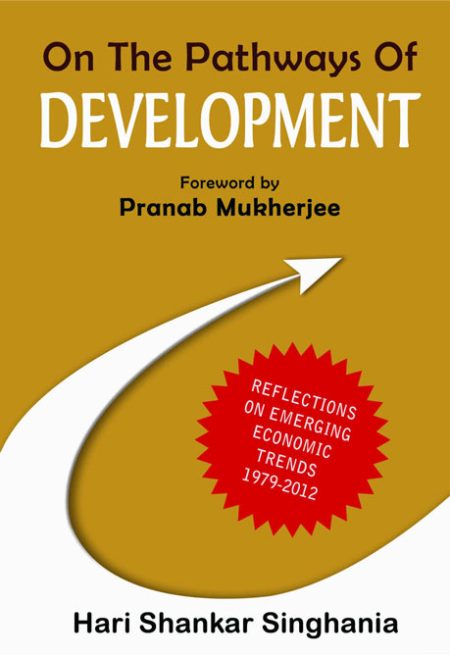
The rapidly growing Indian economy and global economy are getting increasingly integrated in the new world order in the post Cold-war era. Hari Shankar Singhania has witnessed this growth and transition and has spoken extensively and written about these trends. This book is a collection of his speeches and articles at various forums. As an entrepreneur, Singhania reflects on the problems, the trials and the tribulations that both Indian and global economies have gone through. His perspectives are rich observations about the intricacies involved and the issues that shaped policy-making during the difficult era.
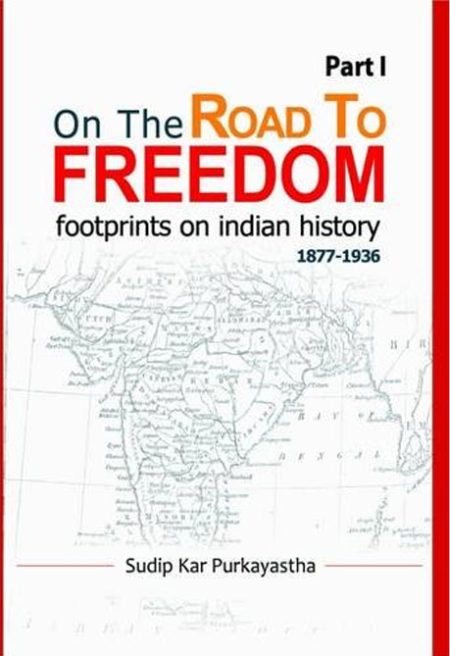
The awakening of the average Indian and his conscious strivings to have his voice heard resumed not long after the Mutiny of 1857. It was suppressed by the Raj with iron hands. The native response grew hard and more organised—ranging from Pheroze Mehta’s constitutional pleas to Tilak’s bold demand for ‘swaraj’ and from Gandhi’s idealistic nonviolence to Bose’s armed patriotism. Unlike 1857, this struggle was not a short-lived intense, violent upheaval that could be savagely subdued. India was patient and determined for a long-haul struggle.
This captivating work brings a large part of this fascinating period back to life. It chronicles the sacrifice of the revolutionaries, political challenge by the Swarajya Party, mass movements led by Gandhi, identity politics of Jinnah and British strategy of ‘divide and rule’.
Part II of this book opens in 1937 when the undercurrent of tension among European nations came to the surface and the rivalry between imperialism and fascism began to enter into the discourse of Indian political parties too. The engrossing work records the dilemma of the Congress in supporting British war efforts and upholding Gandhian nonviolence at the same time. Subhas Bose’s unfaltering quest for an undivided India’s independence shines through amidst unprecedented chaos. The book goes on to narrate the long procrastinated Quit India Movement and the heroic accounts of the INA. It exposes how the nervous British, hastening to leave India, play their malicious diplomatic ‘end game’ in dividing the country with tacit endorsement of native politicians. The book ends by describing Indian independence in the midst of partition and fratricidal bloodshed, while the youngest nation refused to be overwhelmed by formidable adversities, aspiring to take its rightful place in the comity of nations!
Book : ON THE ROAD TO FREEDOM: FOOTPRINTS ON INDIAN HISTORY (1877-1936) PART1
ISBN : 9789382711421
Author : Sudip Kar Purkayastha
Binding: HB
Book : ON THE ROAD TO FREEDOM: FOOTPRINTS ON INDIAN HISTORY (1936-1947) PART2
ISBN: 9789382711438
Author : Sudip Kar Purkayastha
Binding: HB
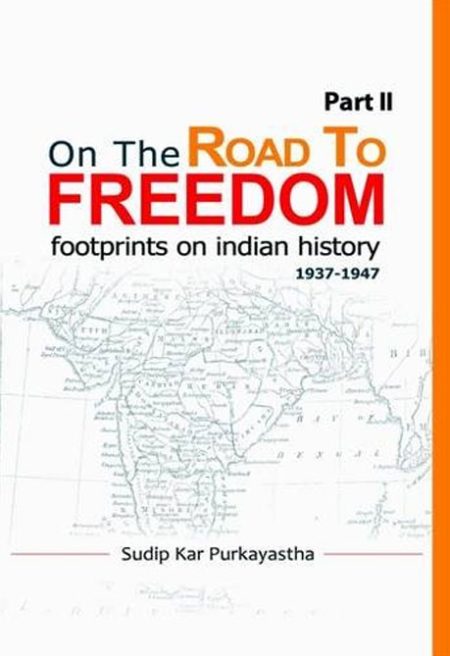
The awakening of the average Indian and his conscious strivings to have his voice heard resumed not long after the Mutiny of 1857. It was suppressed by the Raj with iron hands. The native response grew hard and more organised—ranging from Pheroze Mehta’s constitutional pleas to Tilak’s bold demand for ‘swaraj’ and from Gandhi’s idealistic nonviolence to Bose’s armed patriotism. Unlike 1857, this struggle was not a short-lived intense, violent upheaval that could be savagely subdued. India was patient and determined for a long-haul struggle.
This captivating work brings a large part of this fascinating period back to life. It chronicles the sacrifice of the revolutionaries, political challenge by the Swarajya Party, mass movements led by Gandhi, identity politics of Jinnah and British strategy of ‘divide and rule’.
Part II of this book opens in 1937 when the undercurrent of tension among European nations came to the surface and the rivalry between imperialism and fascism began to enter into the discourse of Indian political parties too. The engrossing work records the dilemma of the Congress in supporting British war efforts and upholding Gandhian nonviolence at the same time. Subhas Bose’s unfaltering quest for an undivided India’s independence shines through amidst unprecedented chaos. The book goes on to narrate the long procrastinated Quit India Movement and the heroic accounts of the INA. It exposes how the nervous British, hastening to leave India, play their malicious diplomatic ‘end game’ in dividing the country with tacit endorsement of native politicians. The book ends by describing Indian independence in the midst of partition and fratricidal bloodshed, while the youngest nation refused to be overwhelmed by formidable adversities, aspiring to take its rightful place in the comity of nations!
The Theory of Karma harps on the Newtonian principle that every action produces an equal and opposite reaction. Every time we think or do something, we create a cause, which in time will bear its corresponding effects. And this cyclical cause and effect generates the concepts of birth and reincarnation.
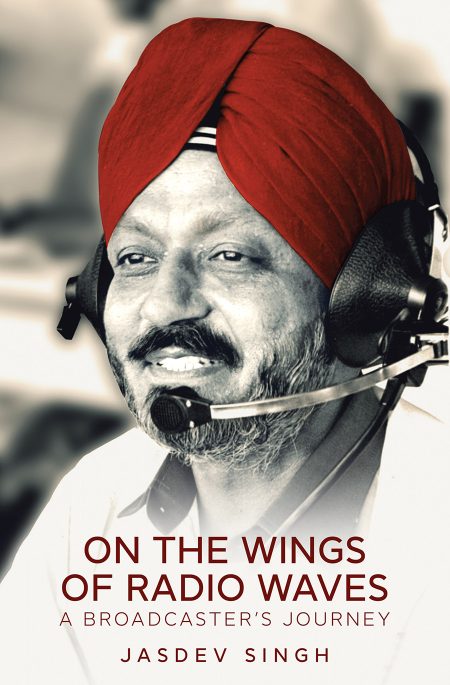
This is an autobiographical account of the life of Jasdev Singh, India’s renowned Hindi sports commentator. The book gives an eyewitness account of many monumental events in the field of sports. But Jasdev Singh did not merely cover sports. Through his eyes, we see history unfolding before us – India’s first space mission with Russia, the massacre at the Olympics village in Munich, the unforgettable Golden Temple tragedy and the subsequent assassination of Indira Gandhi – Jasdev Singh has covered it all. While giving us fascinating first-hand accounts of these events, the author gives us a glimpse into his personal life – his losses, his struggles, the obstacles he faced and how he overcame them and also his amazing victories. He was awarded the Padma Shri and the Padma Bhushan by the Government of India for his outstanding services.
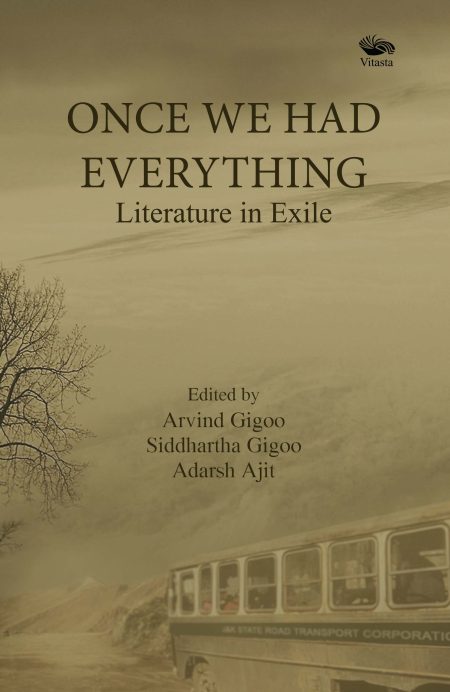
Imagine being evicted from your home and being forced to live in a cramped tent with no electricity, no water, no possessions, no safety, and no security. Imagine being forced to live there not for a day or a month or year but an entire decade! This happened in modern India. In 1990, when half a million Kashmiri Pandits were expelled from Kashmir under militants’ threat to their lives, they had nowhere to go, and were forced to take refuge in tents and one-room tenements in camps in Jammu and elsewhere. Struggling to survive, the displaced people battled alienation, deprivation and fear. Yet, for years, they nurtured hope—of returning to their homeland, of keeping the civilizational ties to a 5000-year-old history alive. Seeing no progress on their return to and rehabilitation in Kashmir, that hope is dwindling now. The writers of the stories in this book have lived with the horror of having been banished from their homes with no place to call their own. They are still living with the harsh reality of not being able to go back to Kashmir even after spending twenty-eight years in exile. They are living with the pain of seeing their homes and places of worship ravaged. They ask: Who are we? Where have we come from? What is going to happen to us? This book has the answers. Kashmir is, and will always remain incomplete without its original inhabitants—the Pandits.

Imagine a life where each moment is lived to the brim, and every chance seized with fervour… Allow me to step into the light, to be more than just words on these pages: I am Prakash Rohera, and over the past 26 years, I’ve been a corporate trainer and executive coach. Prior to that, I worked with Citibank, Bank of America and HCL Ltd. Through the years, I have had the opportunity to meet over 200,000 different participants, through 3500 plus sessions, from 160 plus organisations, across 26 countries. Each of these incredible individuals have inspired and motivated me as I learned of their life journeys—their opportunities and their challenges as they navigated and figured out their careers, their families, themselves and essentially this wonderful thing called ‘life’. With the pandemic pushing us all to reimagine our realities, I felt it was time to pen down their stories and the wisdom they held within. I yearned to share the practical tools and techniques that have resonated with countless workshop participants over the years. And so, this book was born—a labour of love and a tribute to those whose paths have intersected with mine. It’s a window into the transformative journeys of individuals who’ve traversed the labyrinth of life, each carrying lessons that light the way for others. As I often say, “One doesn’t need to change the world; all one needs to do is change our world.”

He called his India visit a ‘pilgrimage’ The American Civil Rights leader Martin Luther King Jr spent one long month in India, calling it the land that demonstrated the efficacy of Non-violence as a successful tool of resistance against bondage, injustice and the power of the gun. Gandhi was the world’s guru who showed the way, leading the common man into contributing in a struggle out of colonialism. He made Civil Disobedience a household word. Martin Luther King Jr gave Civil Liberties a new meaning, ending apartheid in the USA, at a time when it became the world’s strongest nation. In the last 50 years, there has been no more powerful voice against war in the world, it is still Martin Luther King’s stand against America’s war on Vietnam that shines as an example against military might. He is the voice of America’s conscience, still reverberating. Only in Darkness Can You See The Stars is an MLK biography reminding a young India that looks askance at non-violence, what a struggle America waged to give itself equal rights, including sitting rights and voting rights, not so long ago. King’s life is an example of what is doable at the time of utter darkness. That what Gautama Buddha taught India nearly 3,000 years ago still holds good. At the end of Darkness is Light.