+91 11 4109 1715
24/7 Support Center

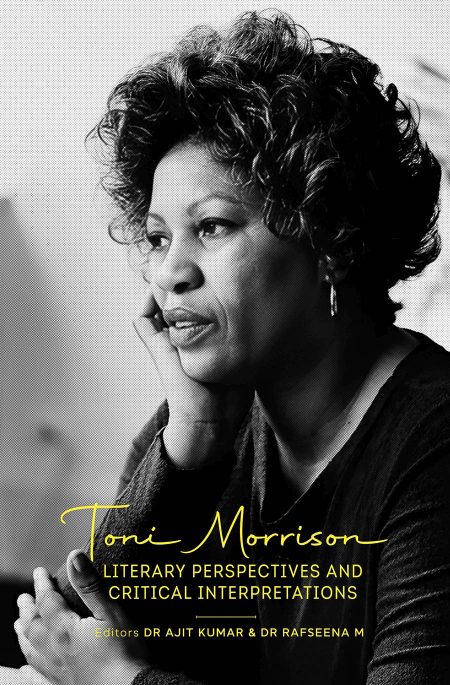
Toni Morrison’s impactful works provide powerful commentary on the complexities of race, identity, gender, and power relations in the US. This edited volume, Toni Morrison: Literary Perspectives and Critical Interpretations, presents insightful critiques and commentaries by renowned academicians, researchers and scholars. It offers readers the opportunity to reflect on the lessons Morrison wanted them to learn and unlearn.
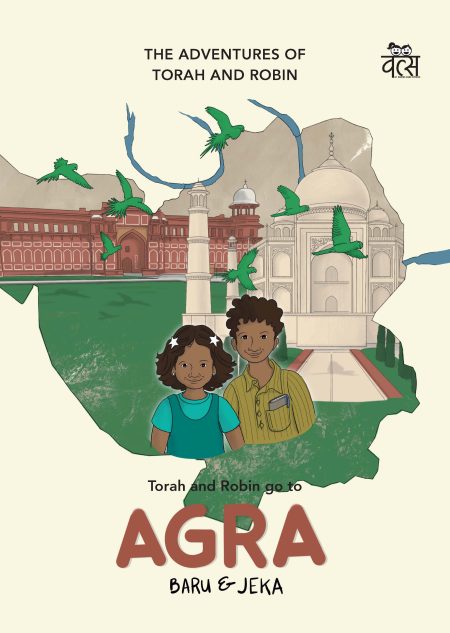
“Torah and Robin love animals, travel, and solving mysteries. They often find themselves in historic, beautiful places where they have days full of fun and adventure. Join them on this series of escapades that asks you to draw, colour, quiz, and visit wonderful places all over India. The first two books in the ‘Torah and Robin’ series are now available: 1) Torah and Robin visit Old Delhi 2) Torah and Robin go to Agra Coming Soon: 3) Torah and Robin travel to Orchha 4) Torah and Robin take a trip to Goa 5) Torah and Robin holiday in Mysore 6) Torah and Robin breeze through Ooty”
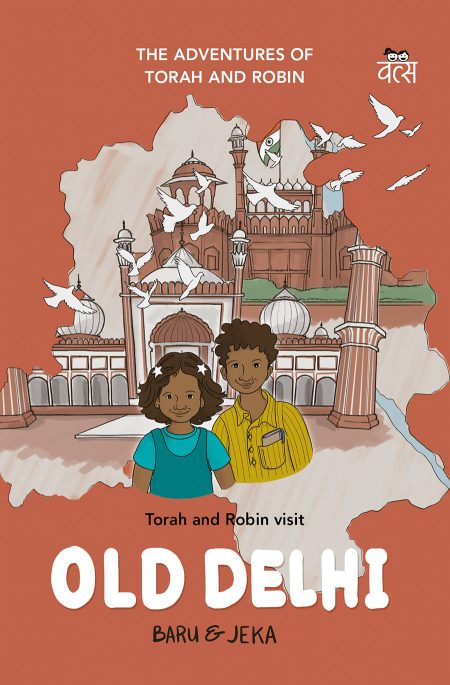
Torah and Robin love animals, travel, and solving mysteries. They often find themselves in historic, beautiful places where they have days full of fun and adventure. Join them on this series of escapades that asks you to draw, colour, quiz, and visit wonderful places all over India.

Every dollar saved is a dollar gained. Anything that reduces productivity and profitability is a source of loss. Total Loss Prevention Management: A Profit Centre is designed to provide professionals with an introduction to loss prevention concepts and security programme implementation. It seeks to present proven strategies to prevent and reduce incidents of loss due to crime, fire, accident, error, and mismanagement.
The world-class experts on loss prevention management offer cutting edge and timely topics and threats including the Internet, terrorism, and e-commerce security issues. The book serves as an essential reference to applying loss prevention theory to creating real-world security solutions.
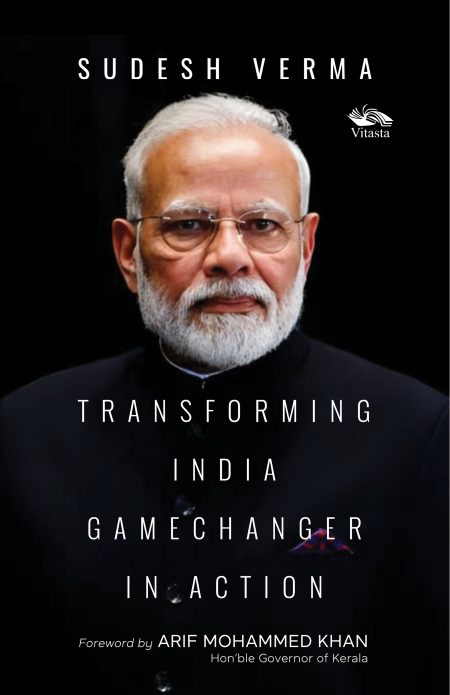
The skeptics have been silenced. Sudesh Verma’s prophetic vision, penned in his groundbreaking 2014 book Narendra Modi: The GameChanger, has been vindicated. Witness India’s transformation from the ‘fragile five’ to the ‘fabulous few,’ ascending to the top echelons of global power. Under Modi’s powerful leadership, India emerges as a true Vishwaguru. Yet, his meteoric rise was not effortless; it was a relentless journey marked by unwavering determination. With meticulous strategy and fearless decision-making, Modi has propelled India’s development across all fronts – social, economic, and political. While GameChanger chronicled Modi’s improbable rise from a humble tea seller to the nation’s Prime Minister, this book provides a candid evaluation of his government’s performance. It examines the plethora of initiatives and momentous decisions, poised to redefine India’s trajectory. From global adulation to adoration within the nation, Modi’s legacy is indelible. He’s not just a leader; he’s a phenomenon, revered and trusted by a nation.
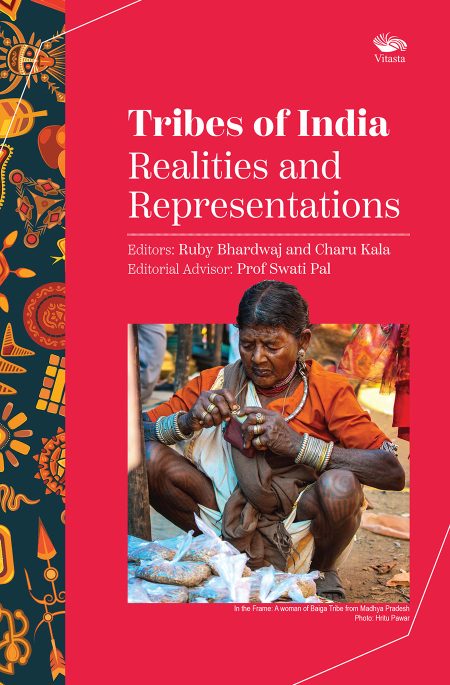
The term ‘tribe/tribal’ is at the heart of several contentious issues of contemporary Indian society. For centuries the tribal communities have been subjected to domination and control by the outsiders and been victims of cultural genocide. As a result, their relationship with forests has been violated, their lifestyle that epitomised harmony with Nature, stands denigrated causing colossal disruption of the everyday practices. Does the process of subjugation and assimilation imply a complete disintegration of tribal practices and tradition? What are the challenges posed by modernisation, sankritisation, and globalisation on linguistic realities and its effect on tribal identity and culture? What happens when the indigenous language faces threat from the outside world? Does it succumb to the pressure and becomes extinct? This book offers critical insights into questions that are fundamental as well as contemporary in the field of tribal research. From oral cultures and language issues to the radical aspects in tribal Ramayanas and Mahabharatas, to ethnographic studies on tribal monetary traditions, textile, and handicrafts, not to mention the chapters on literary studies of authors like Mamang Dai, Hansda Sowvendra Shekhar, and Mahasweta Devi, the book encompasses a variety of research work that is multidisciplinary, heterogeneous in scope and yet, incisive in argumentation.
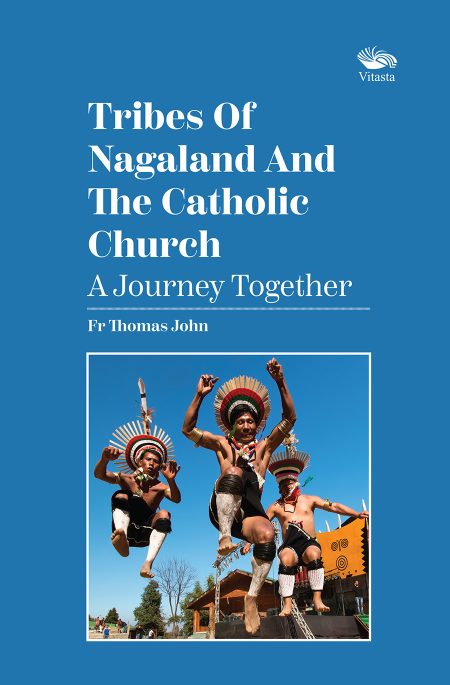
Tribes of Nagaland and the Catholic Church is a valuable treatise on the history and contribution of the Catholic Church in Nagaland and the role it played in the development of the State. It traces the roots, growth and the influence Catholic Church had on the people and the state in general. Recalling the immense sacrifice the earlier Catholic missionaries and lay leaders made, the book also highlights the struggles of social isolation, indifference, threats and expulsion that they faced on account of their Catholicism.

When the tsunami hit the Indian coast on a bright Sunday morning on December 26, 2004, it shocked India and the world. It was as if the sea had washed away hubs of human activity in an instant. In India’s far eastern outpost, the Andaman & Nicobar Islands, the 9.0 magnitude earthquake under the Indian Ocean killed 10,136 people. The Car Nicobar Islands were among the worst affected. The Indian Air Force lost 116 personnel at its devastated Car Nicobar base.
With a 100 day deadline, seven Indian Air Force officers, including then Wing Commander Nitin Sathe, and a group of dedicated IAF personnel undertook the tough task of rebuilding the IAF’s Car Nicobar air base. Ten years on, now an Air Commodore, Nitin Sathe reveals how the IAF, with courage and determination, brought its Car Nicobar base back to life. A Few Good Men and The Angry Sea is an inspiring story about how human endeavor on a tiny corner of the earth overcame one of the greatest natural disasters in history.
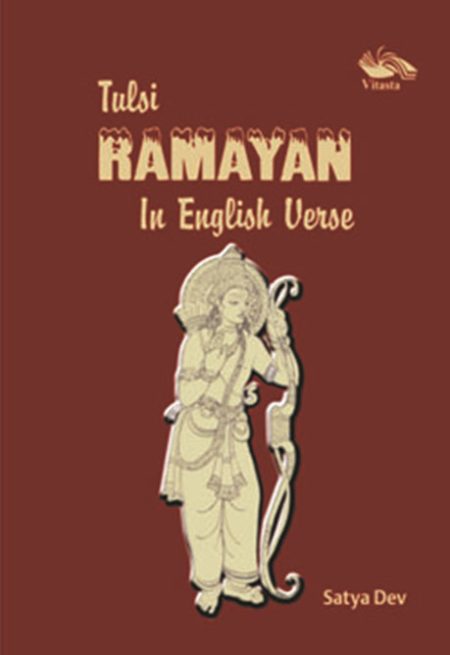
The author wanted non-Hindi, non-Sankrit readers to connect directly with this epic and showcase Indian culture for them. The task was to make this generation read and understand the epic in the original form. He stumbled upon the idea of rendering the same in Verse – a form that connects better.
The author has tried to maintain the rhyme so that it can be sung and enjoyed. The book is indeed a rare treat for the English world.
Two Plays from India’ presents a theatrical canvas drawn from the pages of history and annals of mythology in India, articulating quintessential questions on deeply held spiritual values, portraying archetypical characters that evoke ageless questions for the modern spectators. Celebrated play “Once in India” explores the real value of ‘non–violence’ or ‘ahinsa’ through the saga of a Hindu King. In the play ‘The King of Mathura’,through a famous religious legend, the playwright has crafted an exceptional narrative around India’s first semi-mythological dictator, ‘Kans’, the uncle of Hindu god Krishna. This play explores the workings of a dictator’s mind and the extreme potential of the human capacity for evil, and despite apparent omnipotence, the presence of anxiety and terror in the human psyche. Both plays highlight diverging ideational drives, poignant characters, pathos and drama, while aptly highlighting India’s cultural ethos and mystique.
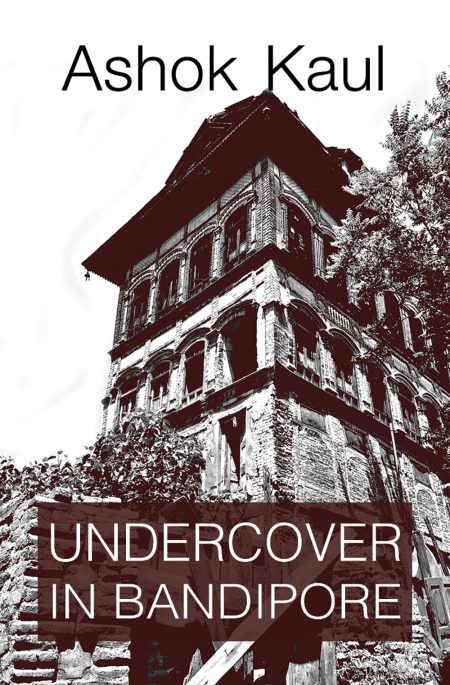
Before the abrogation of Article 370, who were the actors in Kashmir’s theatre of the absurd? The youngsters who could not escape abroad had to play self-destructive roles decided by manipulators sitting in Pakistan. This riveting narrative delves deep into how Muslim families lost their moorings. A teenaged boy turns to militancy in a desperate quest for employment and identity. A college-going girl is sent to JNU for an insidious agenda of radicalisation of the intelligentsia. Forbidden love blooms but is doomed. The story is told with empathy and passion by a Kashmiri Pandit who is well aware that the exodus of his community was not a triumph for Muslims but an irreparable loss. The modern education they imparted was replaced by rigid dogma. The main protagonist is Barkat, an orphan brought up in Mughalsarai by a beggar. During his sojourn in Kashmir, living in the shadows, he discovers that a proud society can be saved only if it takes charge of its own destiny. This is also a dirge for a composite culture that was systematically destroyed. The underlying theme is that nativity in universality is the way out of the morass.
This book is about the history of the CPI(M). The Left is facing its severest political test in the country. It lost the 2009 Lok Sabha elections and doubts are being cast on whether it would be able to survive the West Bengal assembly polls in 2011. A careful reading will explain that the hope for regeneration for the CPI(M) appears almost lost. The party is in crisis as never before, with no single leader capable of reviving its past glory. The CPI(M) aligned with the Congress and weakened the forces that could have strengthened the Left’s ideological direction. The proximity to the Congress gave birth to a neoliberal section, and it spelled doom for the party.
Diptendra makes an in-depth study of the situation and presents a rare insight into the failures of the Left party. The book challenges the conventional wisdom that a secular polity has developed in India in the last two decades to fight the communal forces. He has also explained how two groups, one led by Prakash Karat and the other by Sitaram Yechury–Buddhadeb Bhattacharya, are fighting a long-drawn battle to gain the party’s control.
The conflict between PC Joshi and BT Ranadive was the genesis of the crisis that is haunting the CPI(M) even today, the book argues. It tries to find out why the party became so arrogant between 2004 and 2008 and why it failed to see the writings on the wall.
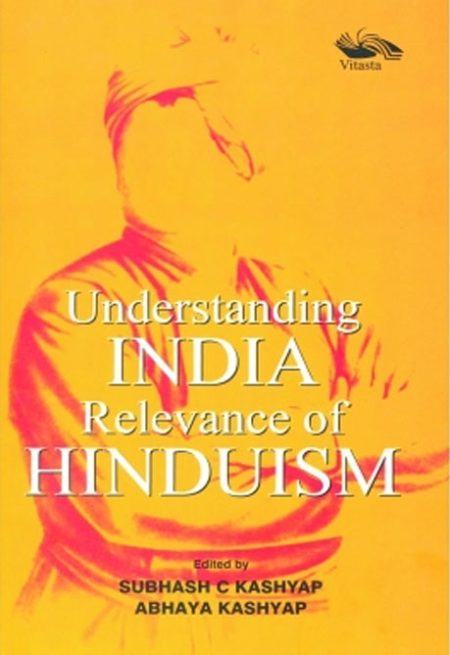
A book that presents views of experts on various aspects of Hinduism. The book asserts that to know India, an understanding of/about Hinduism is a must. Dr. S Radhakrishnan said Hinduism is a way of life: this book tries to present exactly that. The present volume brings together under one cover the thoughts of some of the most eminent men and women, erudite scholars, jurists, advocates, diplomats, Ministers, administrators and others.
Some of the contributors include Dr. Karan Singh, Prof HR Bhardwaj, Dr. Kaarthikeyan, Hari Jaisingh and Subhash C Kashyap.
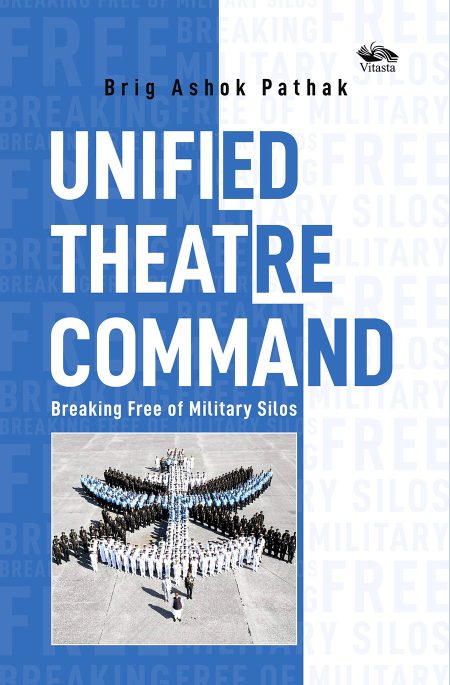
In 2023, the Inter-Services Organisations (Command, Control and Discipline) Act was passed in the Indian Parliament, thereby liberating the monolithic organisations of the army, navy and air force from its silos. The idea of theatre command was first operationalised towards the end of WWI in 1919. In WWII, all nations that participated had organised their militaries in theatre-based joint unified commands. Today, thirty nations have reformed their militaries to follow this model. In India, while the ‘thought process’ began in the 1950s, and came under review both after India’s spectacular victory over Pakistan in 1972, and later after the Kargil War, the ball was set rolling only in 2019 by the first Chief of Defence Staff, the Late General Bipin Rawat. Parliament passed the Act in 2023. The book covers the background, India’s journey, global military reforms and India’s ancient history on how the three services can work together.
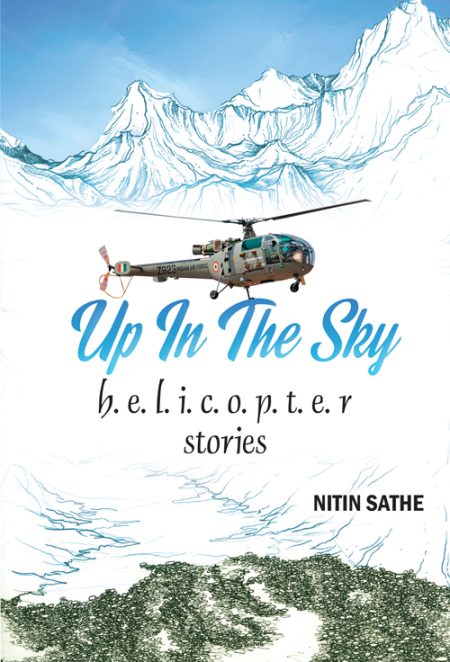
Fasten your seatbelts and get ready for a ride of a lifetime with Air Commodore Nitin Sathe as he takes you on a wondrous journey spanning 34 years. You can travel to the most amazing and impossible places hidden from all but the most daring adventurers. From the shrines that adorn the distant mountains to the peaks spoken of in mythology to border outposts where there is no one but the valiant soldier, the adventure never stops. One day, you could be flying a wounded soldier, the next rescue a child from the flooding waters or perhaps carry letters to loved ones in far-flung areas. Relive the life-changing experiences of a helicopter pilot in this fascinating collection of 19 short sweet delightful intriguing stories that is sure to touch your heart.
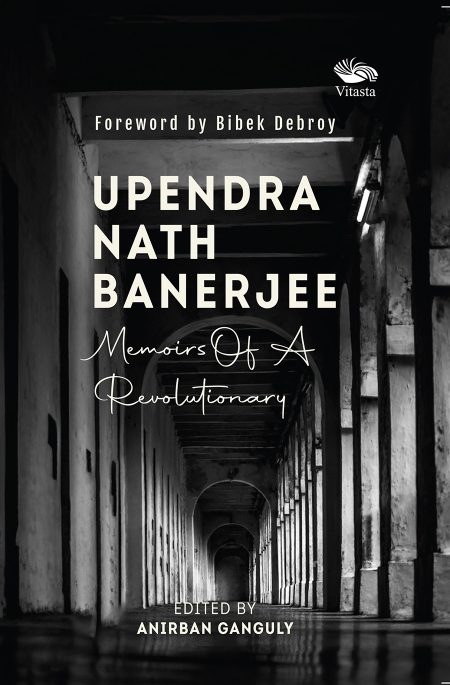
Within the pages of this book lie the forgotten chapters of Bengal’s revolutionary history; the stories of those unsung heroes of our freedom struggle, whose legacies have been lost in the elusive shadows of time. What remains are their names etched on unfamiliar roads—silent reminders that are rarely acknowledged or retained in the memories of those who pass. Amidst the vibrant streets of Kolkata, there is an Upendra Nath Banerjee Road, a tribute to a fearless revolutionary and thinker and his immense contribution to our freedom movement, but few may appreciate the sacrifices of the person it honours. Memoirs of a Revolutionary, a translation of the Bengali classic, Nirbasiter Atmakatha, Upendra Nath Banerjee wrote himself, offers a deeply personal insight into the thoughts, struggles, momentous events and emotions that have shaped India’s history, as seen through his life and his incarceration in the forbidding Cellular Jail in the Andamans.